Ljubljana related

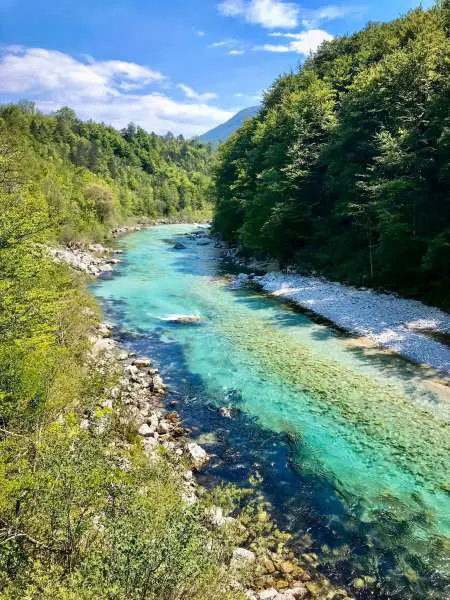
This Friday, 7 June (2019) sees the start of the 33rd Ljubljana Biennial of Graphic Arts, which runs until 29 September. This edition is curated by the art collective Slavs and Tatars and is going out under the title Crack Up - Crack Down, with a focus on satire in the region. The Biennial takes place at the International Centre of Graphic Arts (Mednarodni grafični likovni center, MGLC), in Tivoli Mansion, the building shown in the image at the top of this story. To mark the event, which has been running since 1955, we thus went to the archive (aka Wikimedia) and returned with these images of the Mansion, and other parts of the park, in first half of the 20th century.
Other posts in this series can be found here
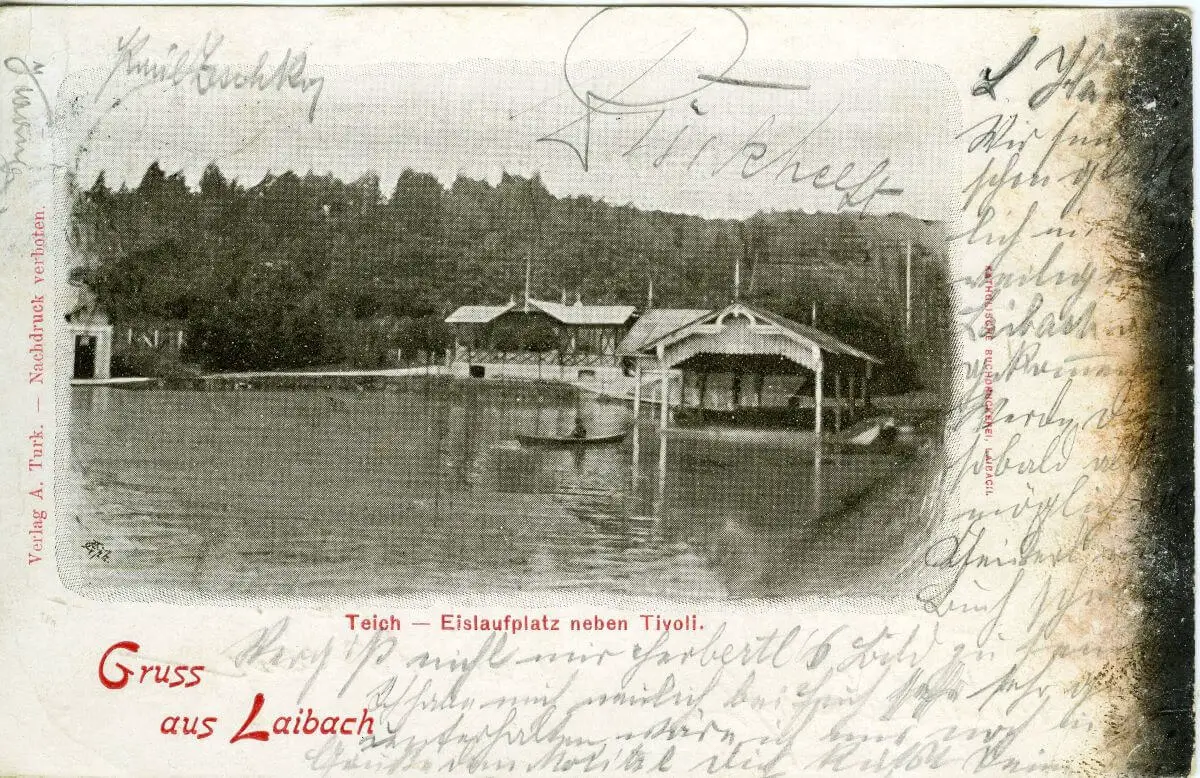
The fish pond, 1898
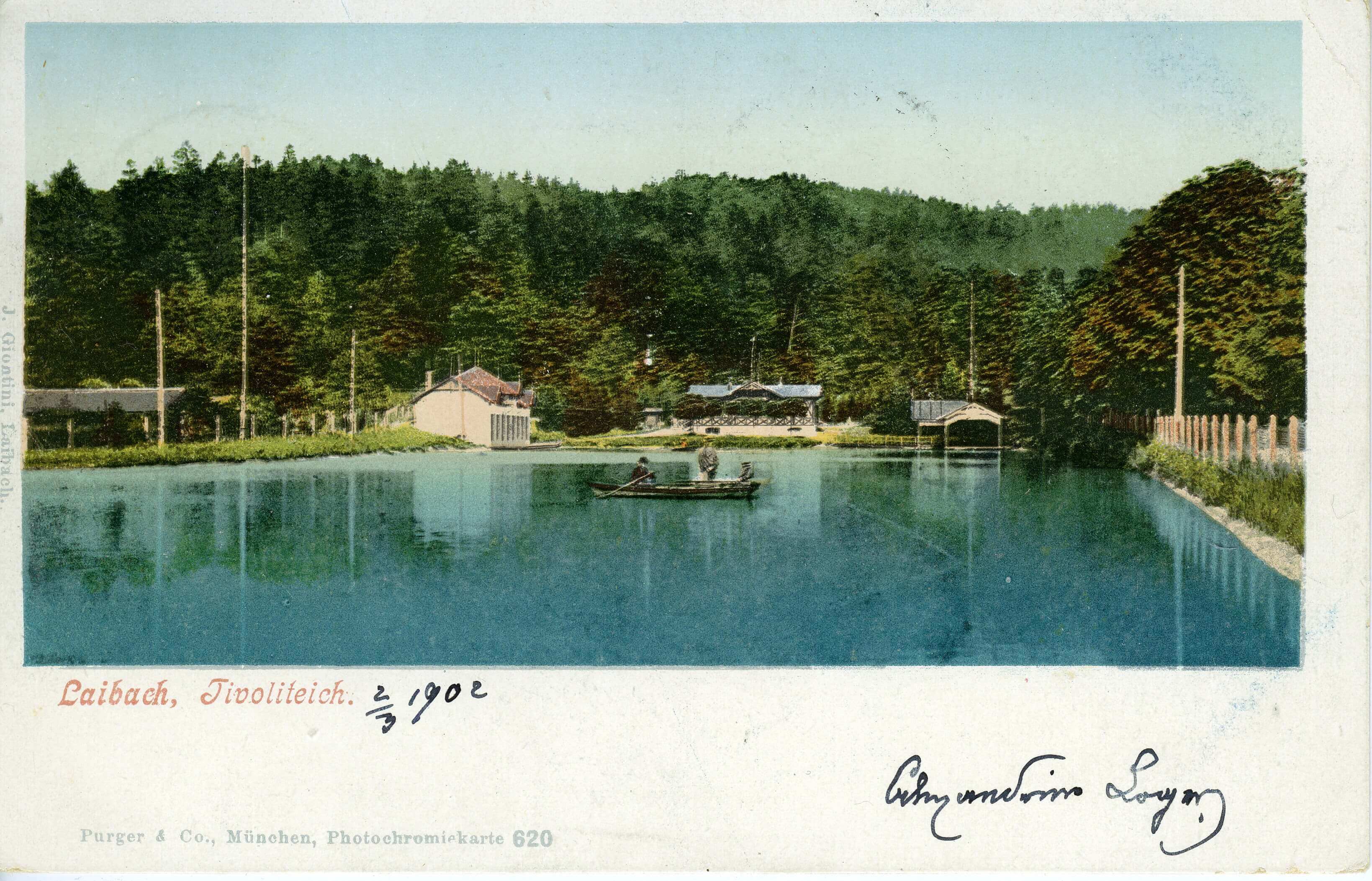
The fish pond, 1902
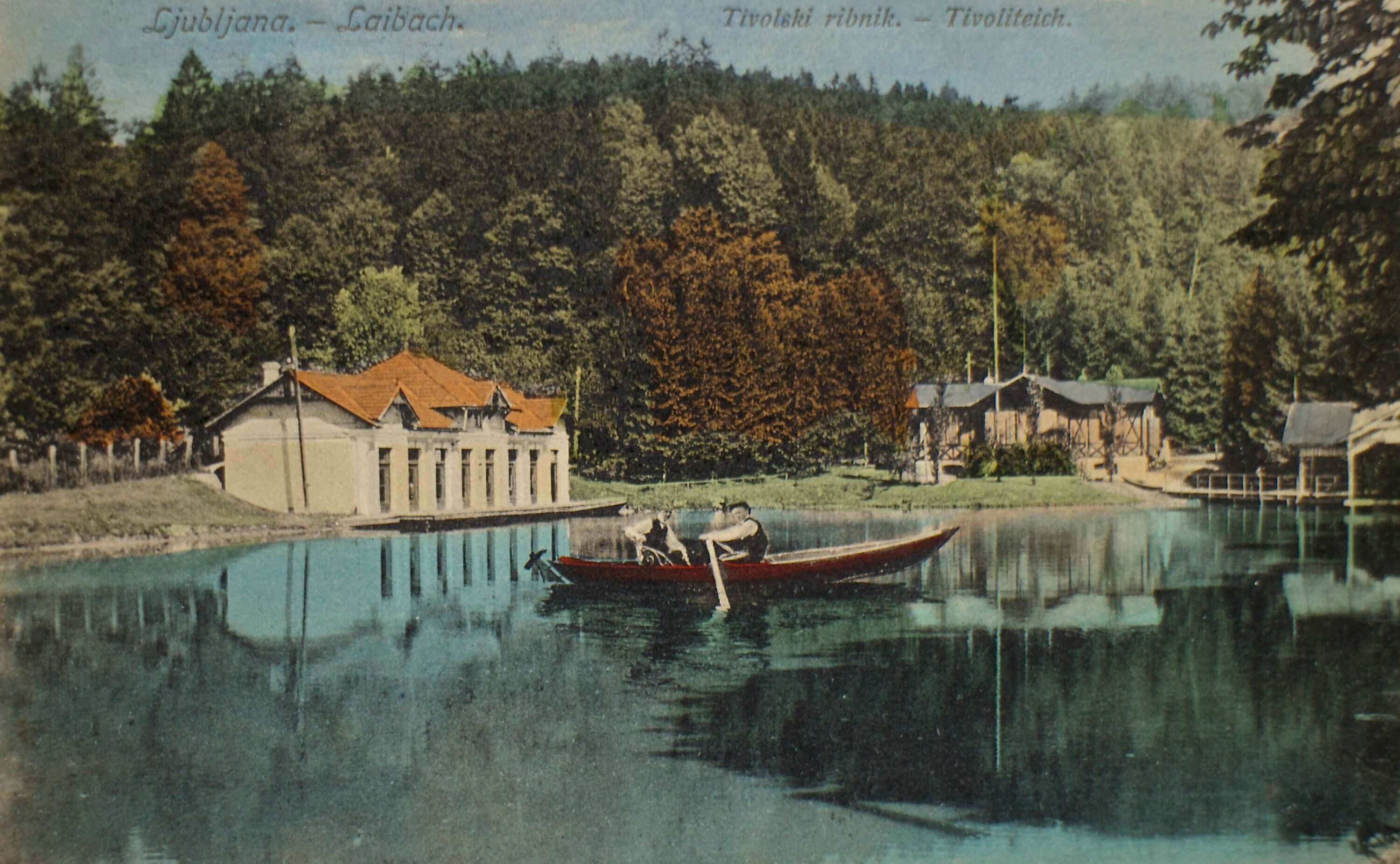
The fish pond, 1912
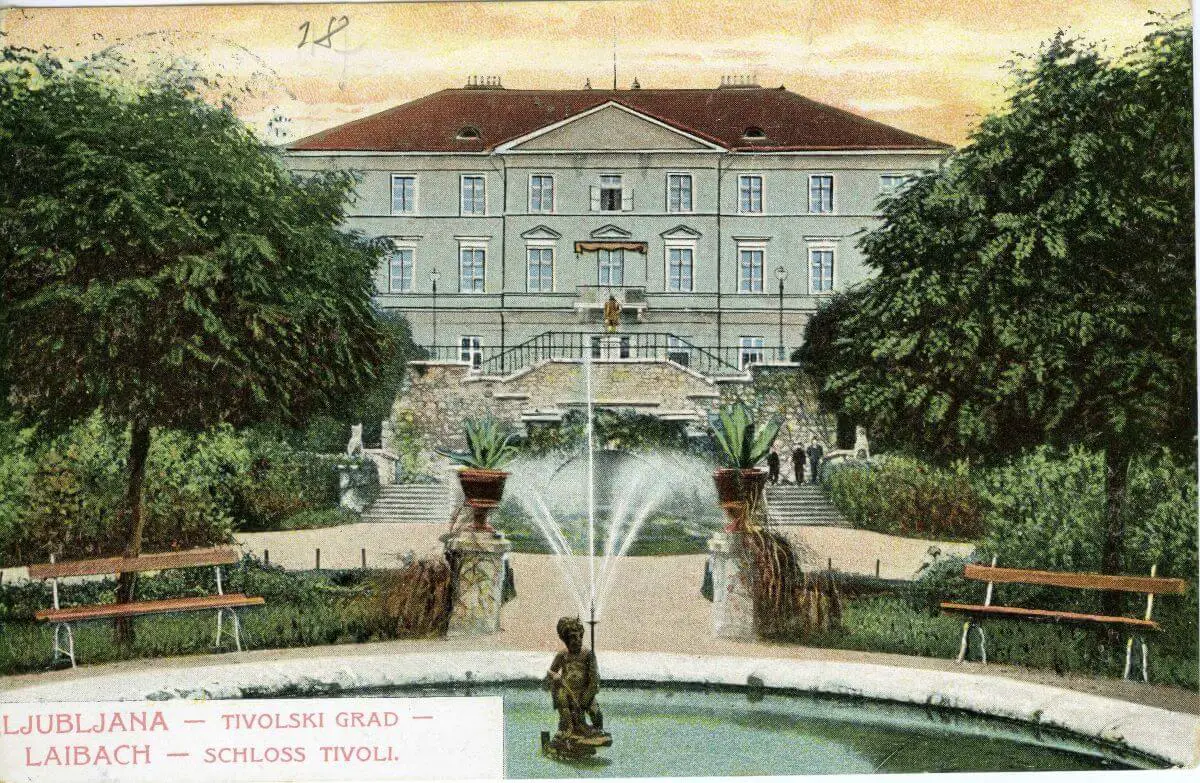
Tivoli Mansion, 1907
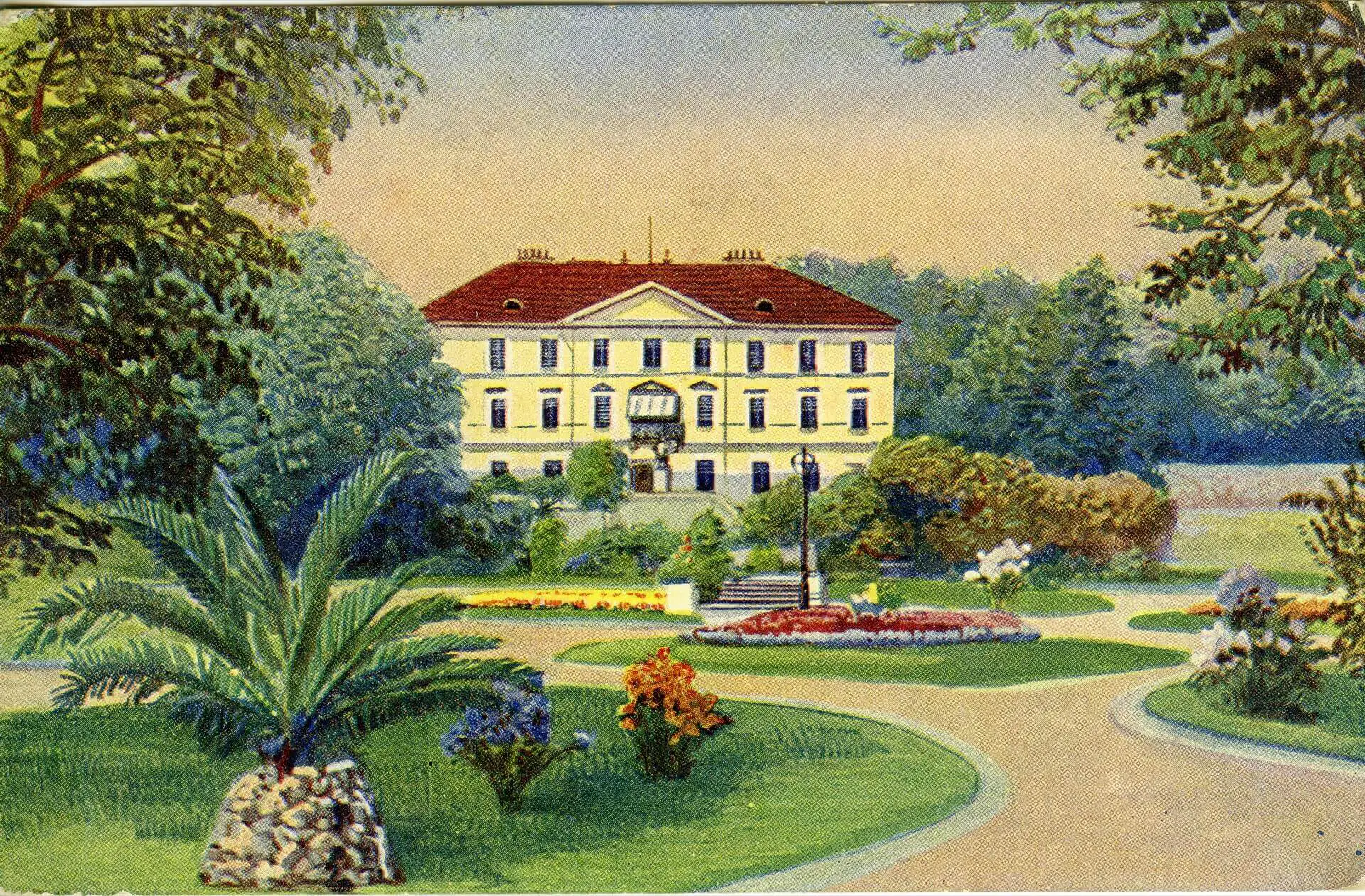
Tivoli Mansion, 1916
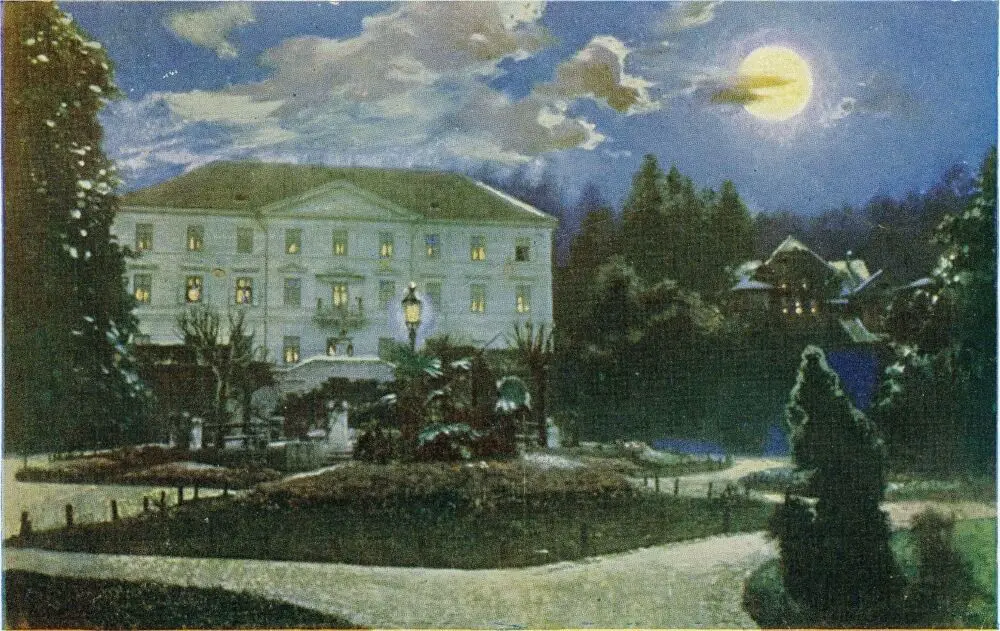
Tivoli Mansion, undated
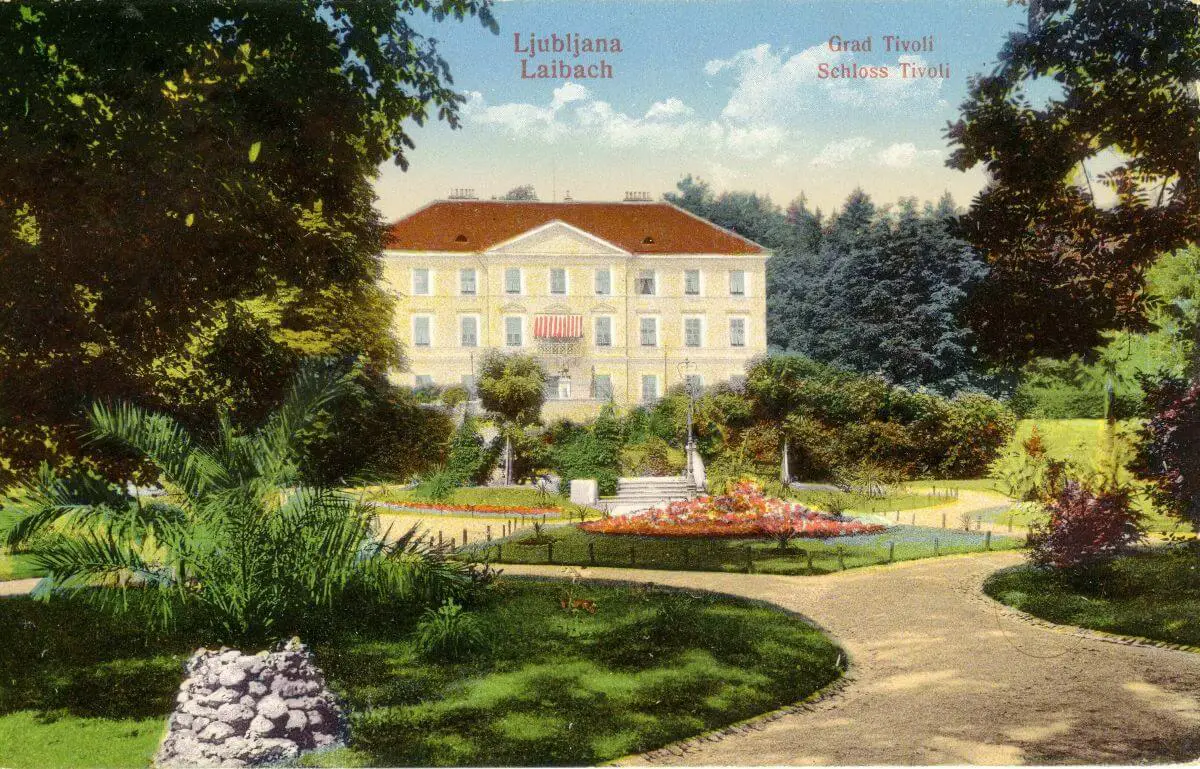
Tivoli Mansion, undated
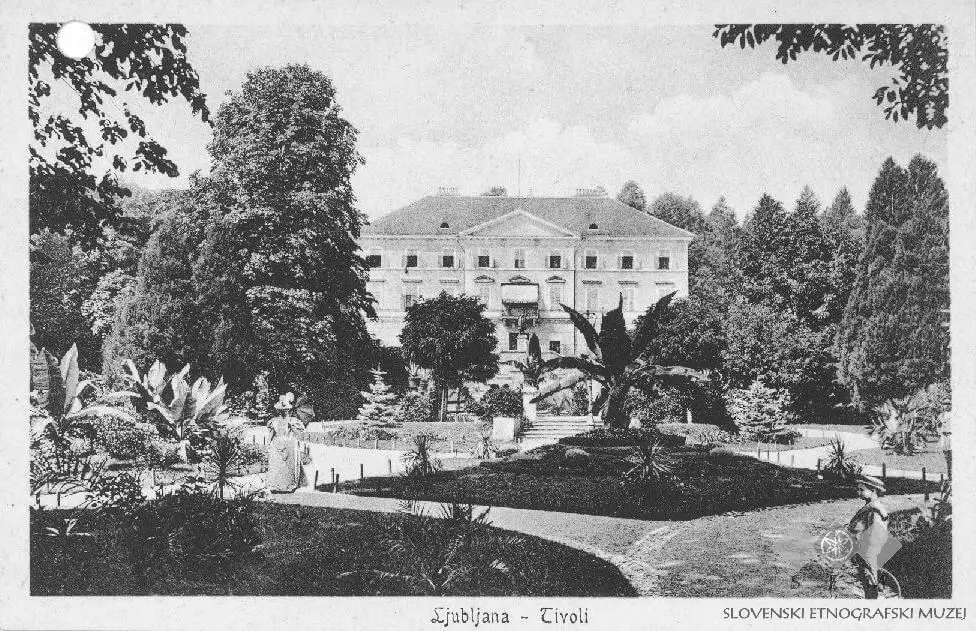
Tivoli Mansion, undated
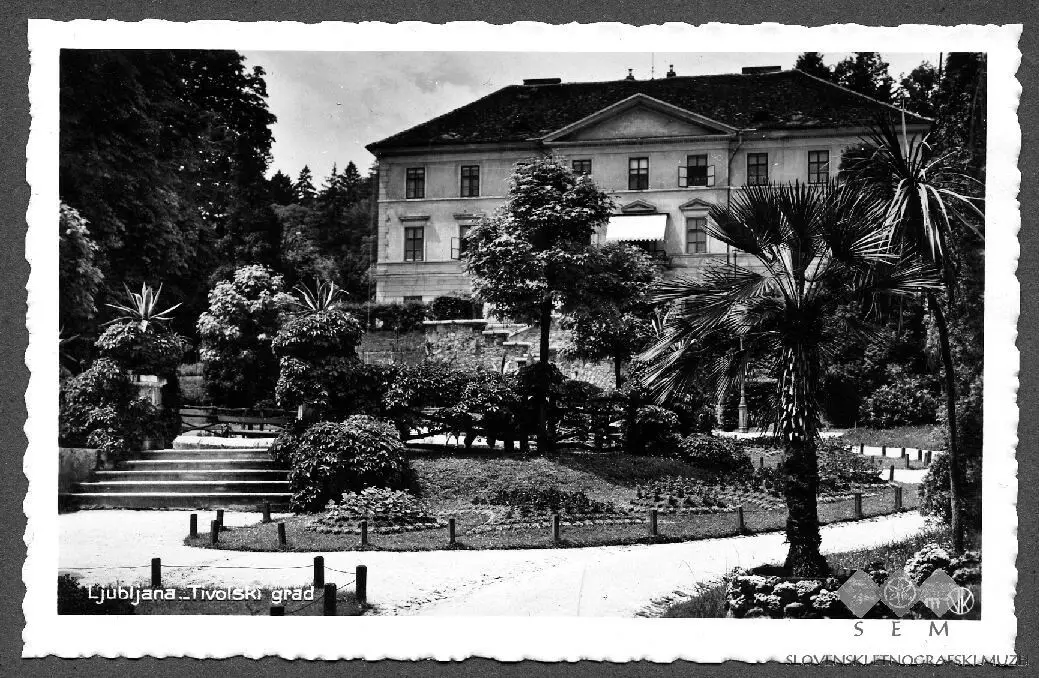
Tivoli Mansion, undated
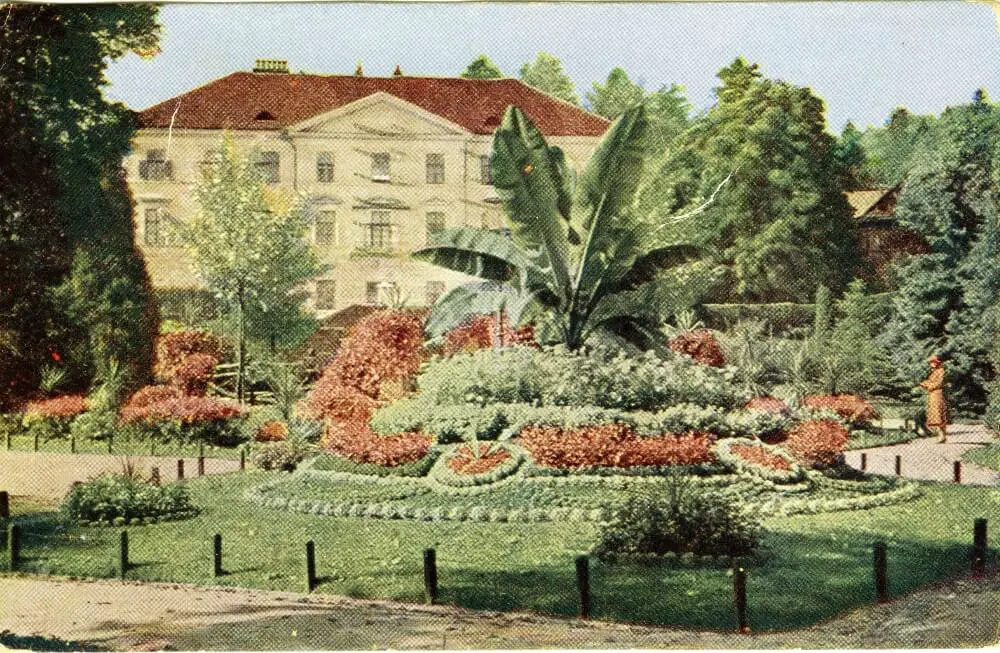
Tivoli Mansion, 1933
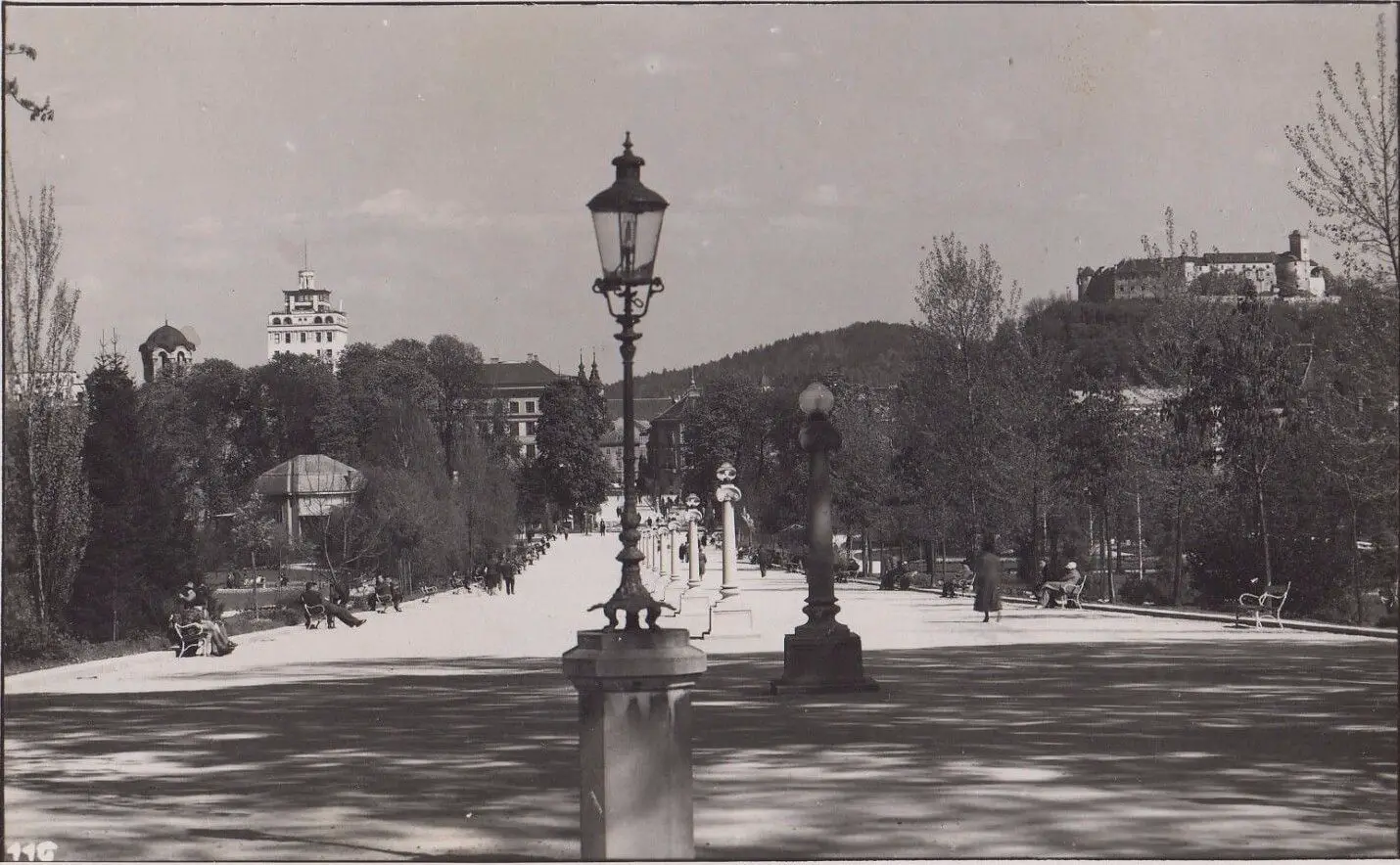
Jakopič Promenade, 1930s
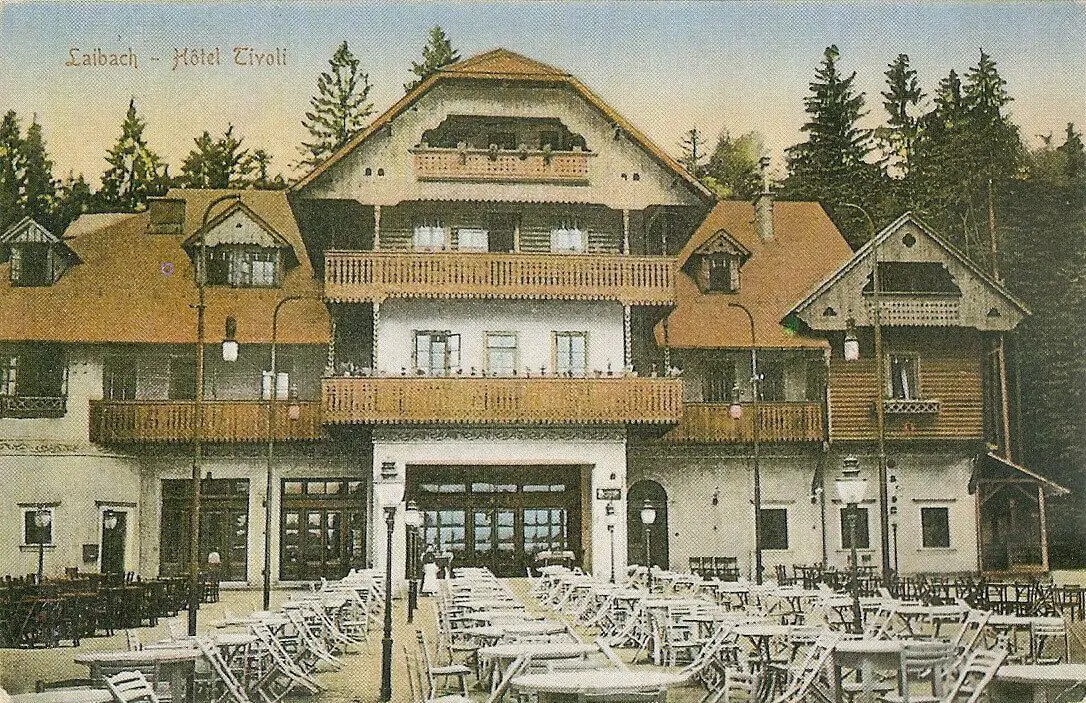
Hotel Tivoli / Švicarija - undated
Inspired by the renovation of Novo mesto’s Main Square, we took a trip the archives to pull out some postcards of the same place in years gone by, as well as the city in general.
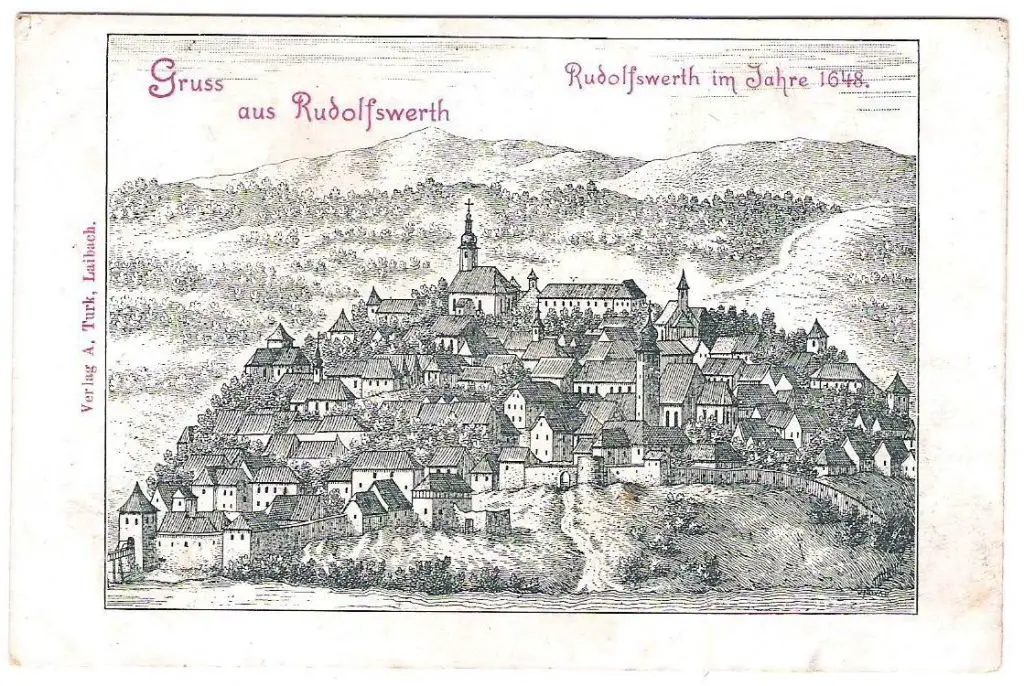
Postcard from 1899
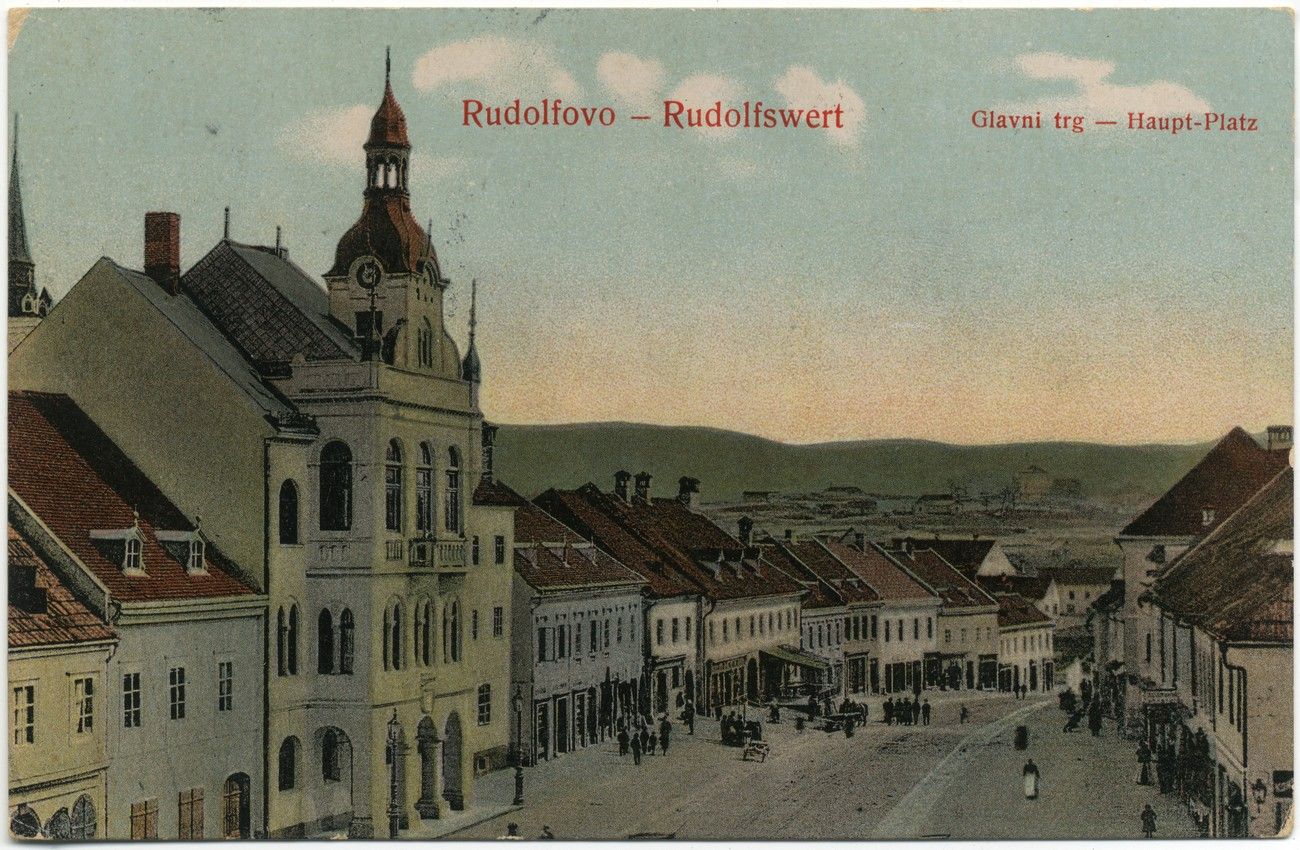
Postcard from 1910
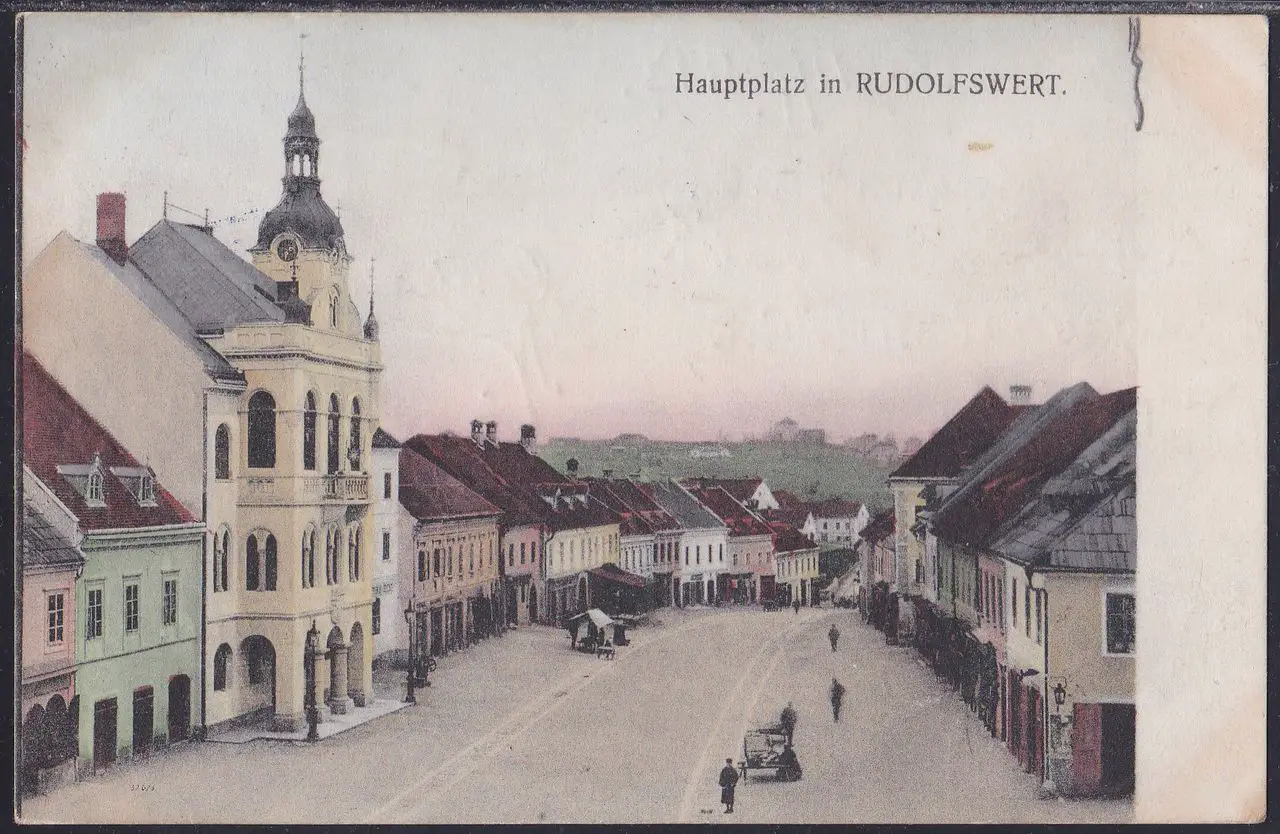
Postcard from 1917
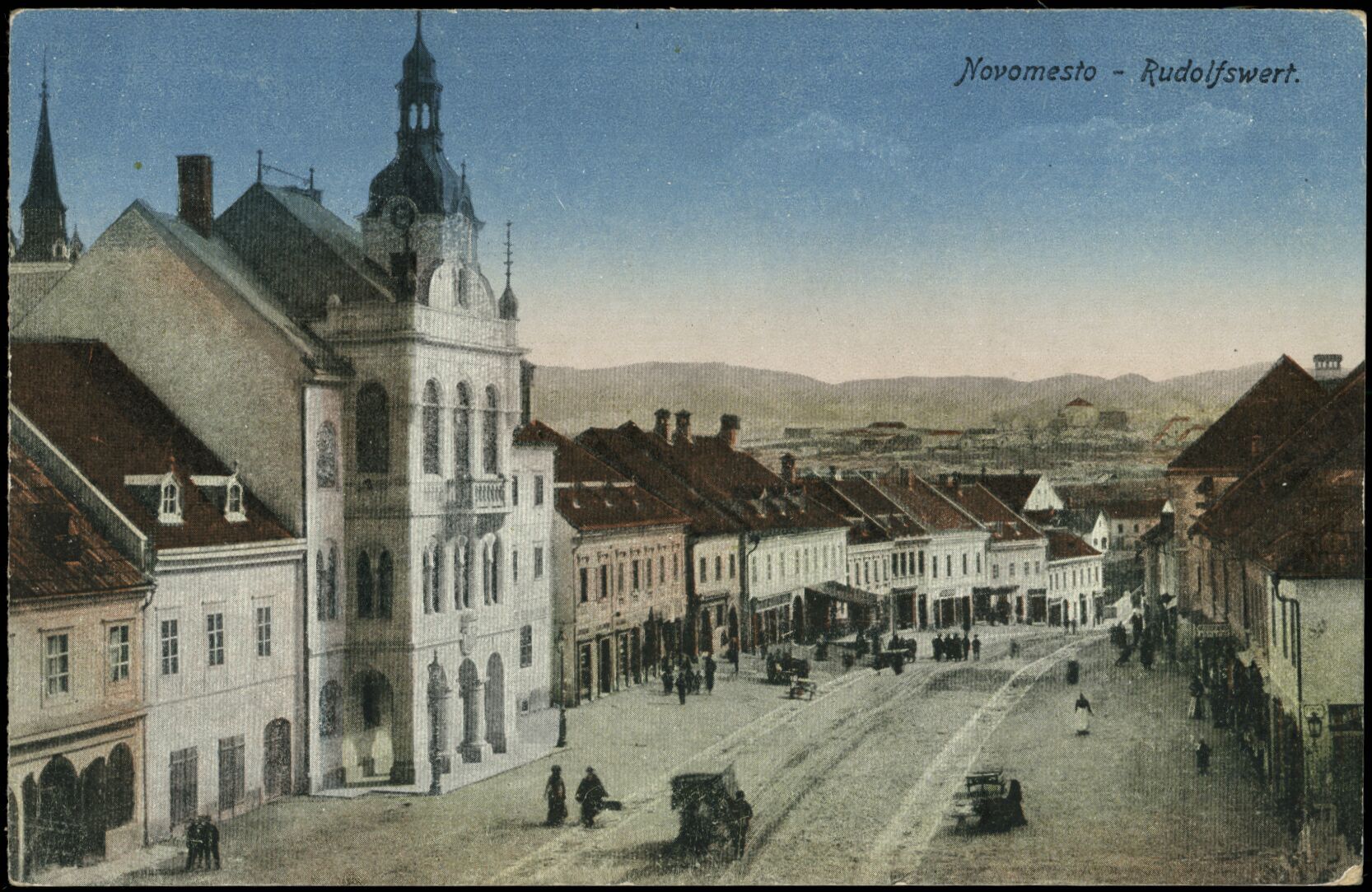
Postcard from 1918
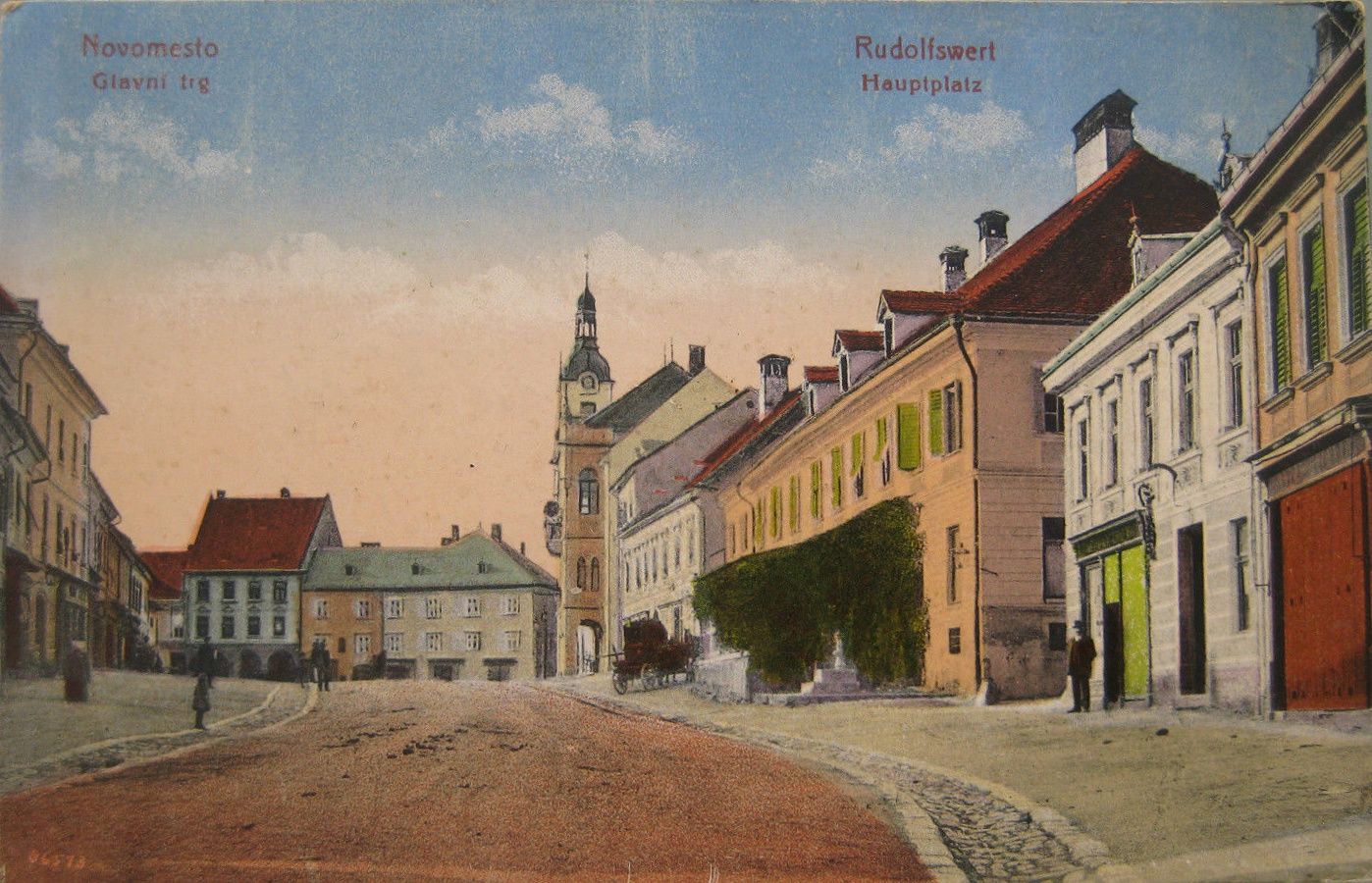
Postcard from 1919
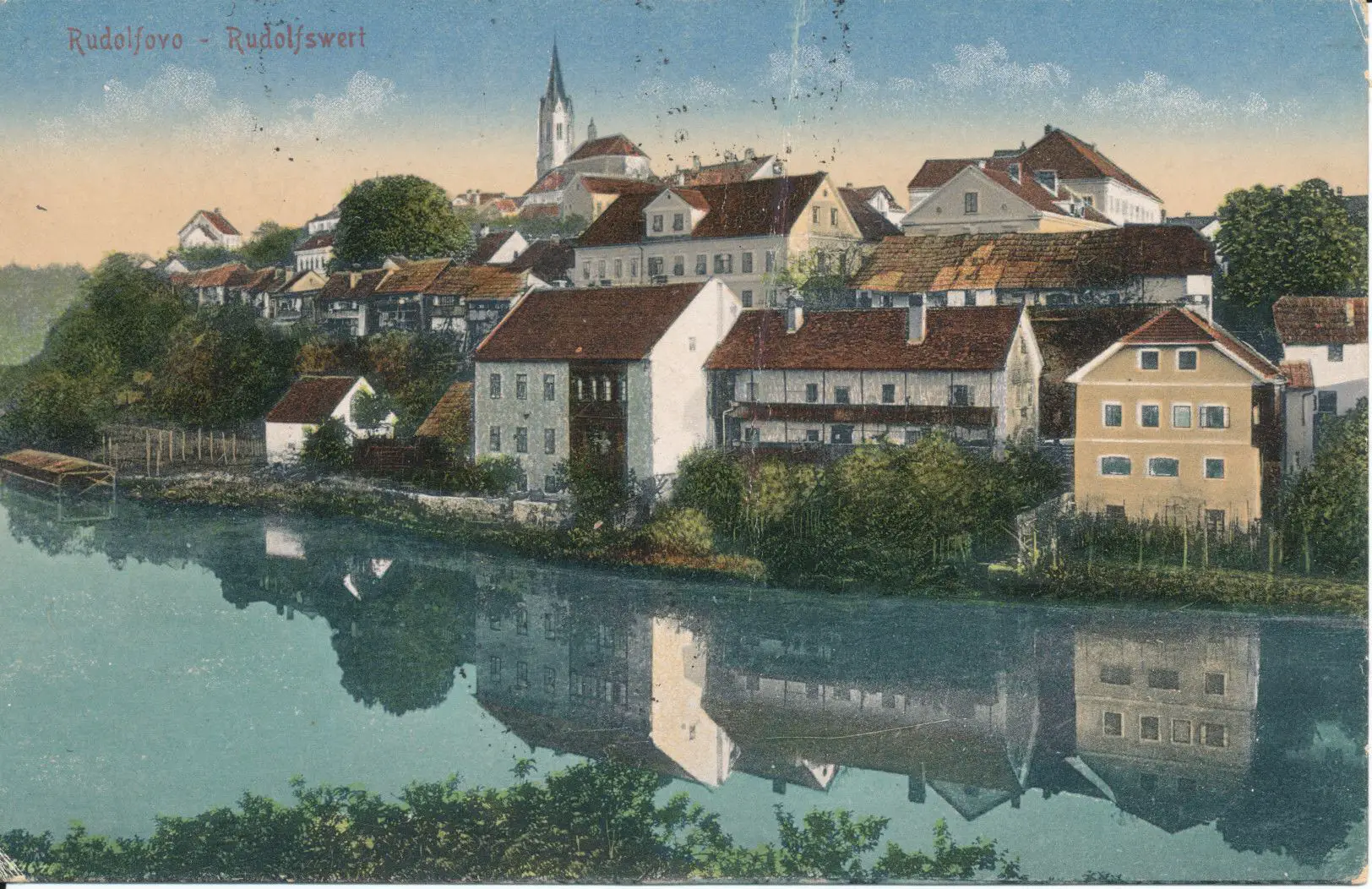
Postcard from 1910s
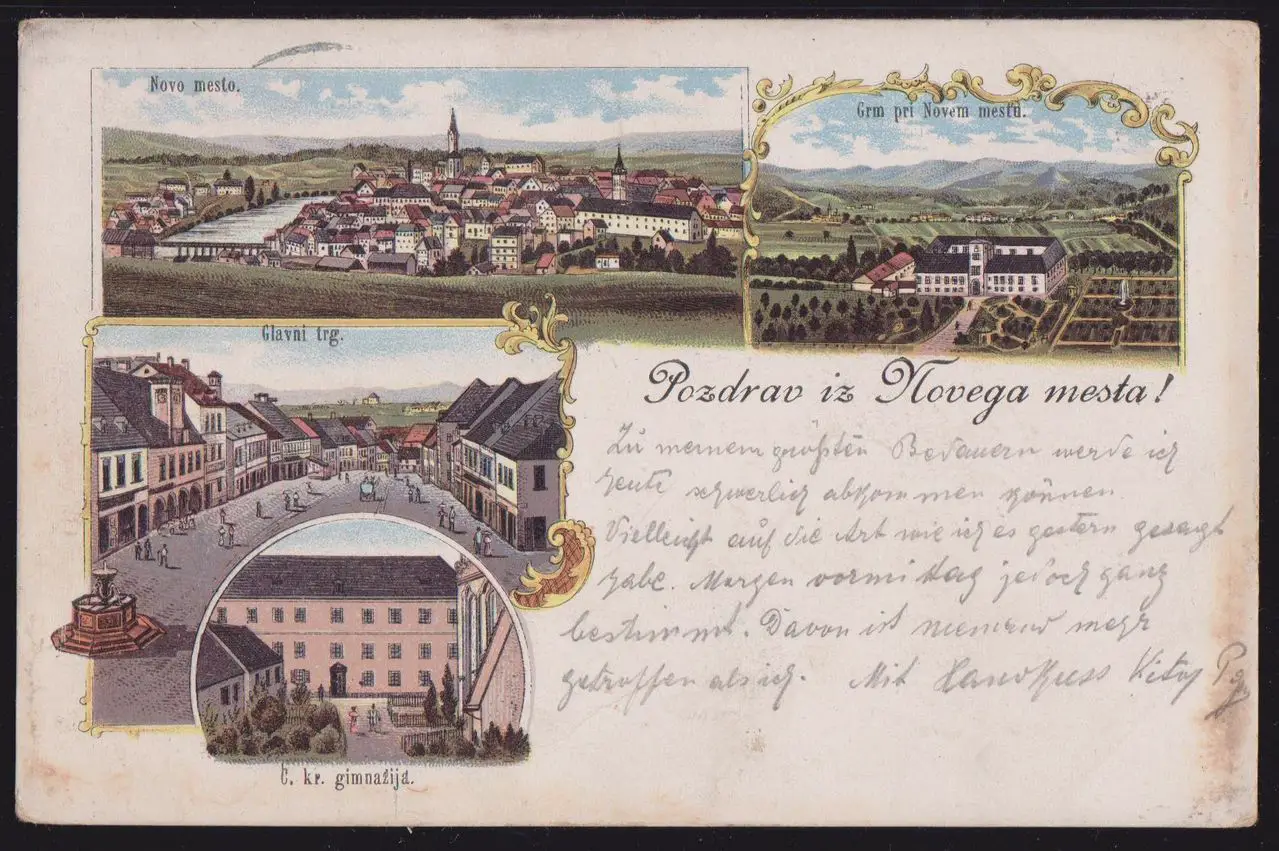
Postcard from 1919
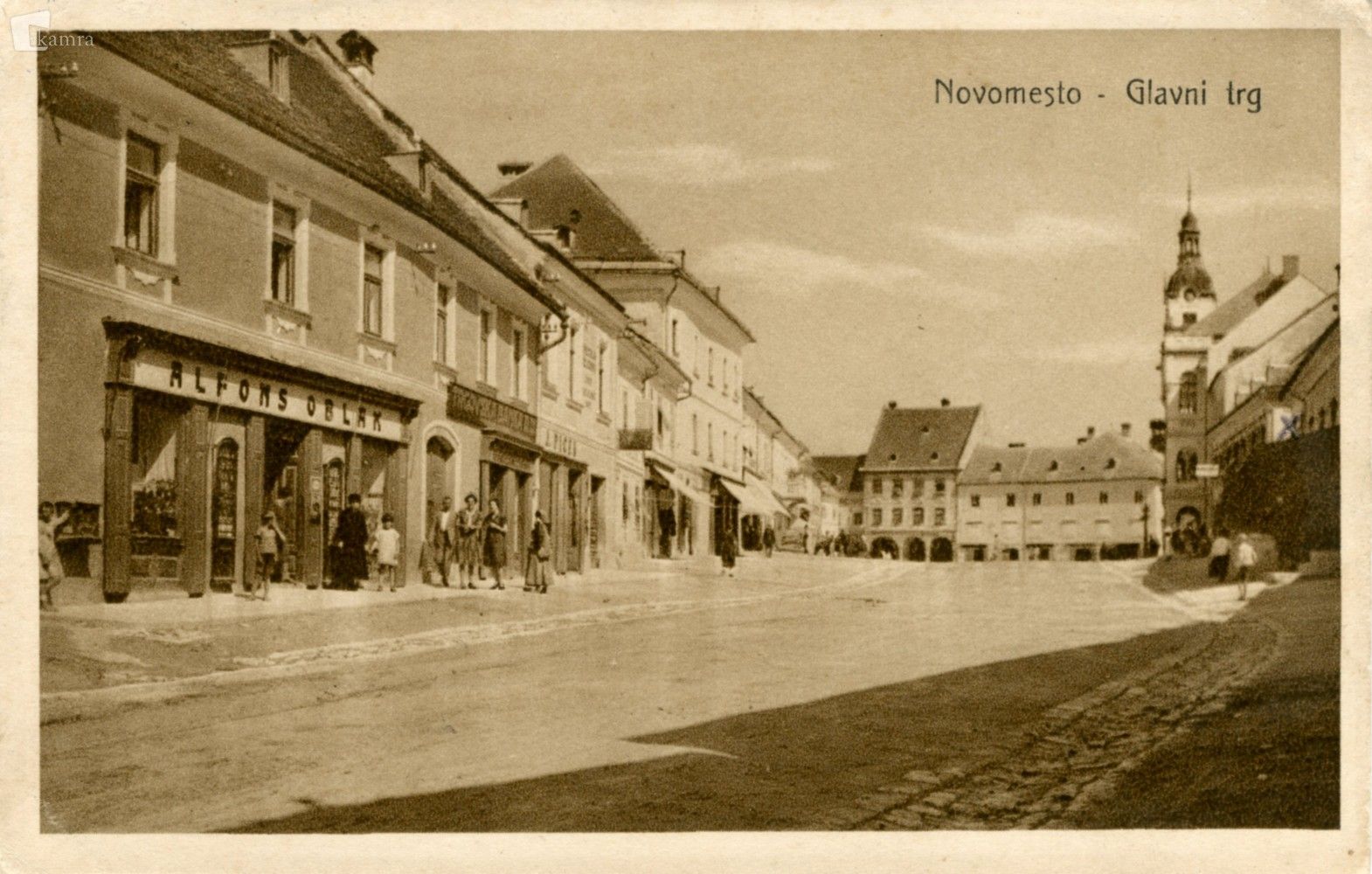
Postcard from 1928
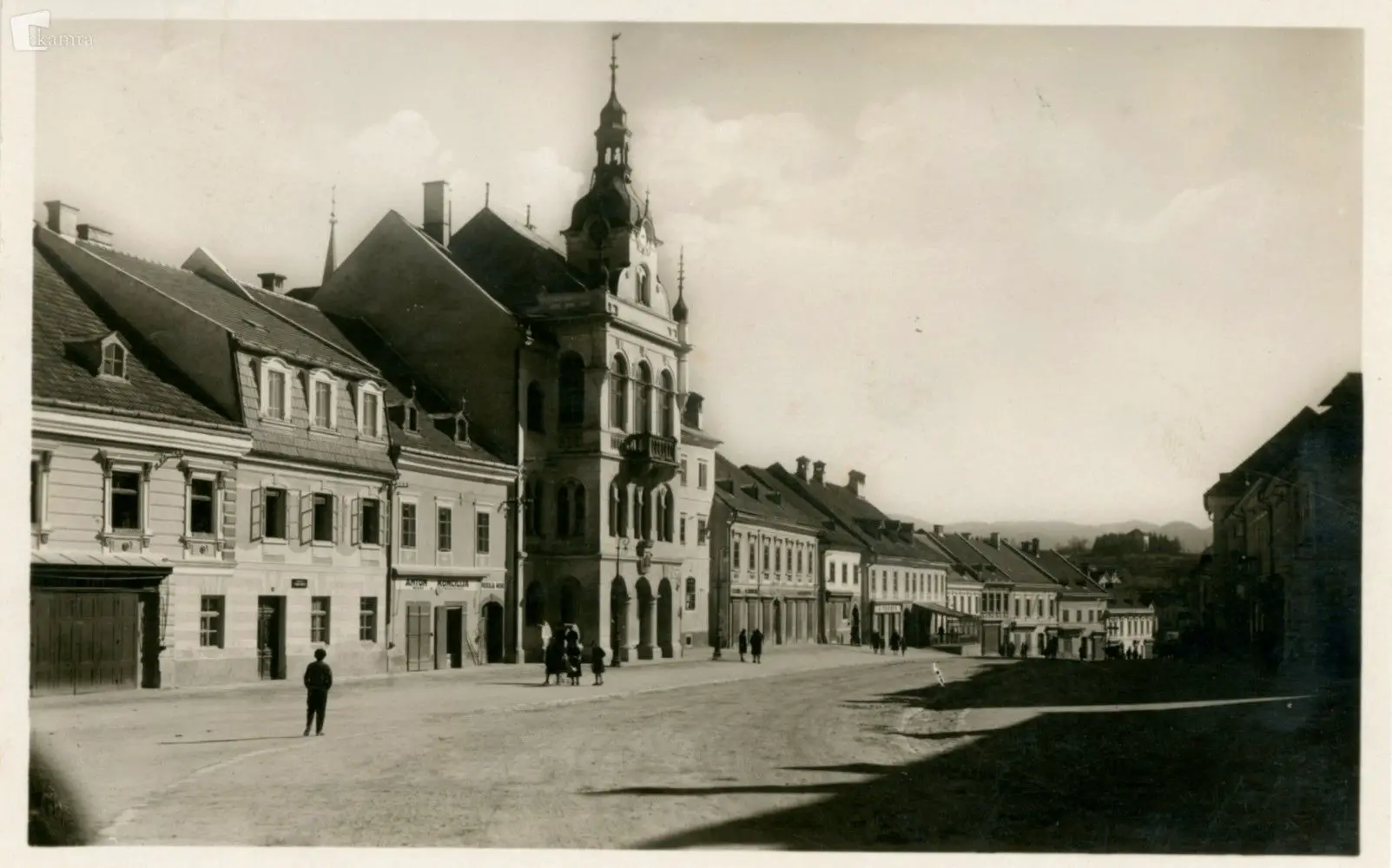
Postcard from 1930s
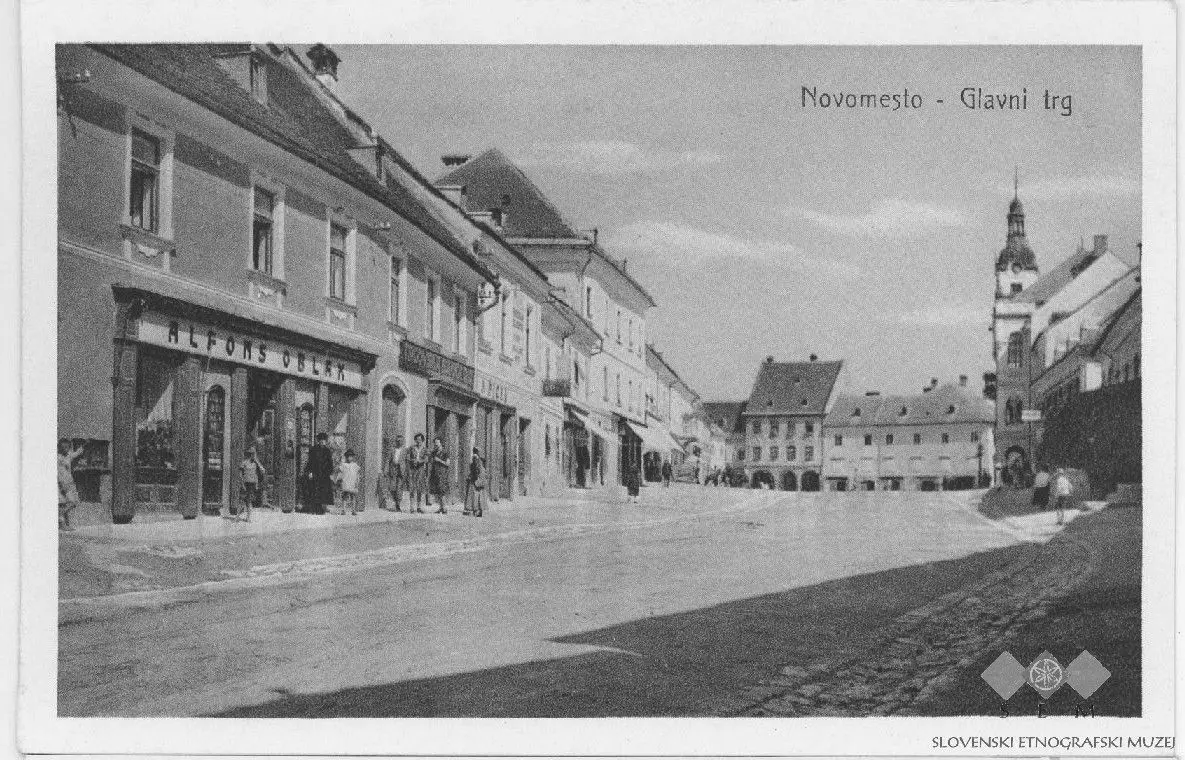
Undated postcard
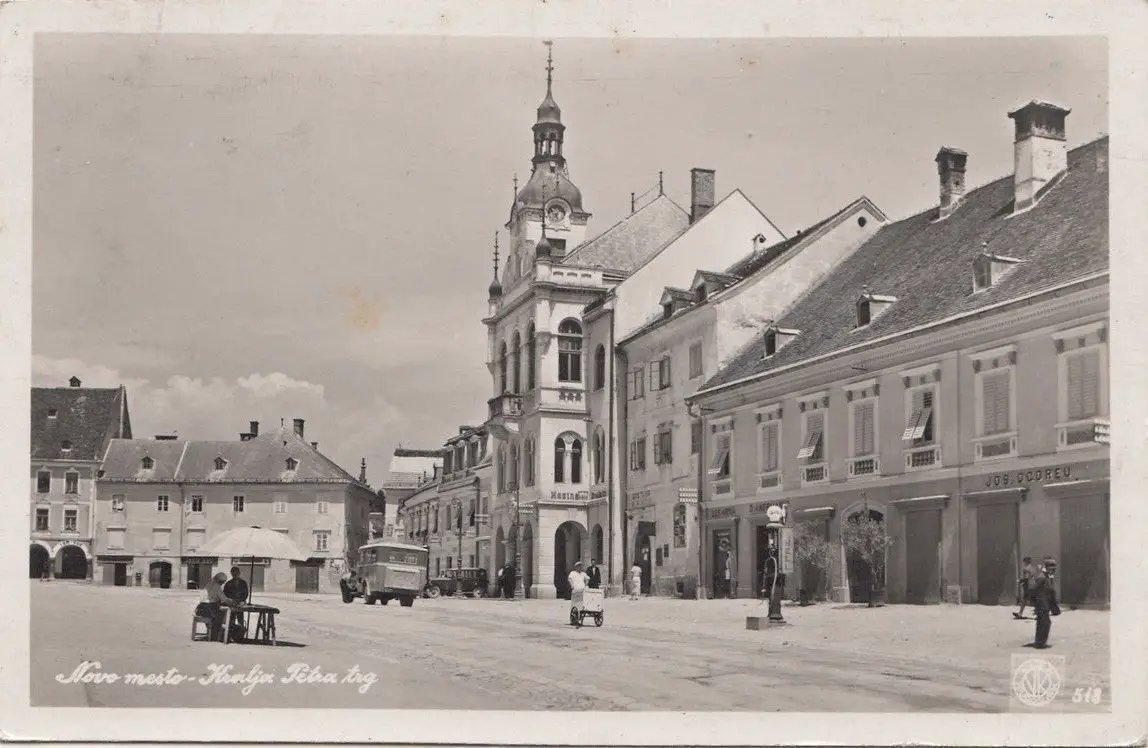
Undated postcard
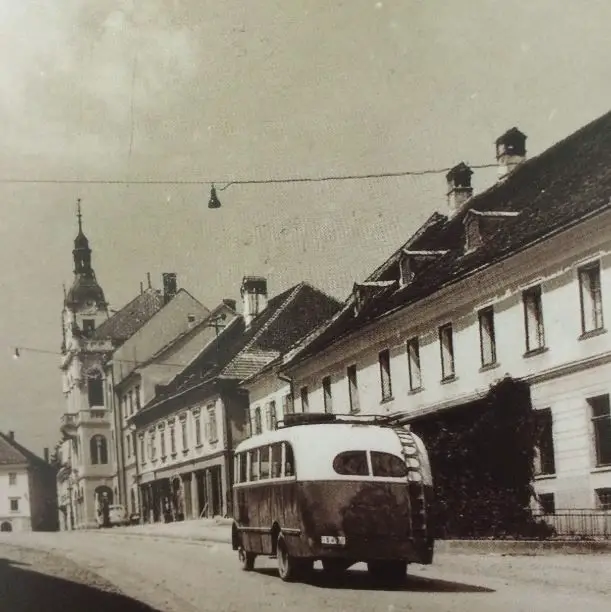
Postcard 1945
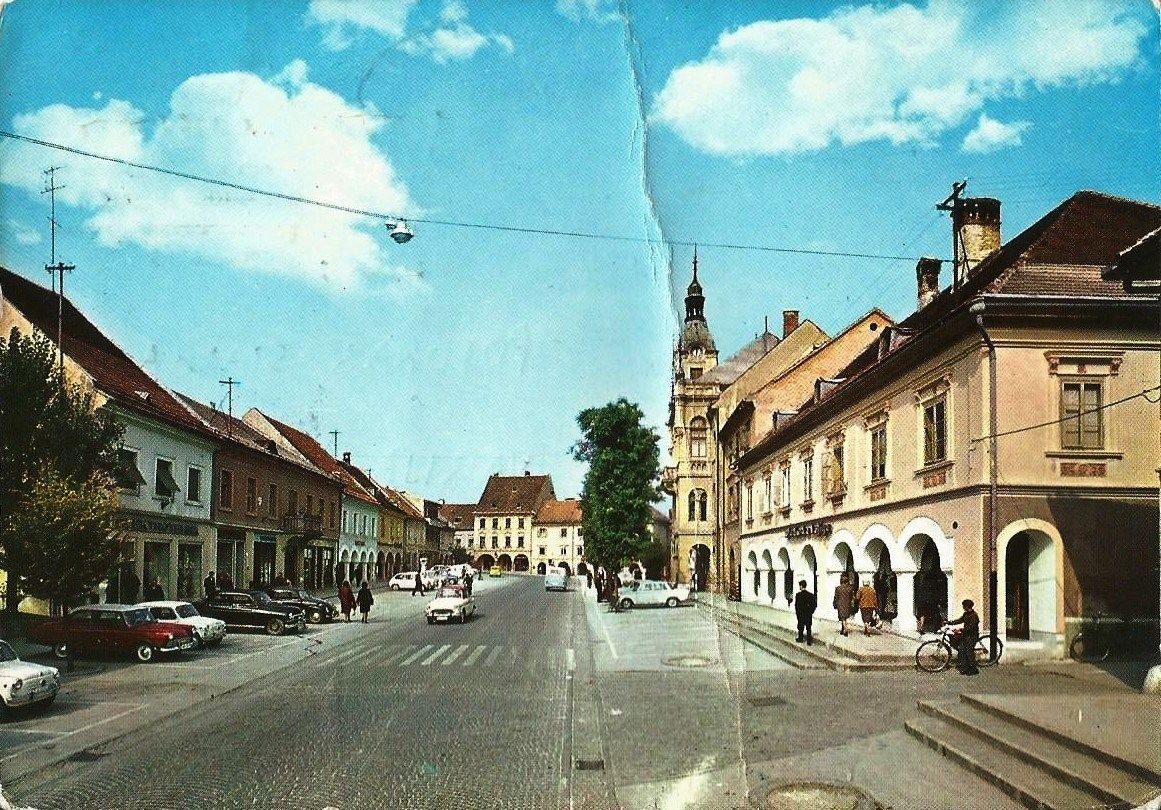
Postcard, 1966
All our posts with old photos can be found here
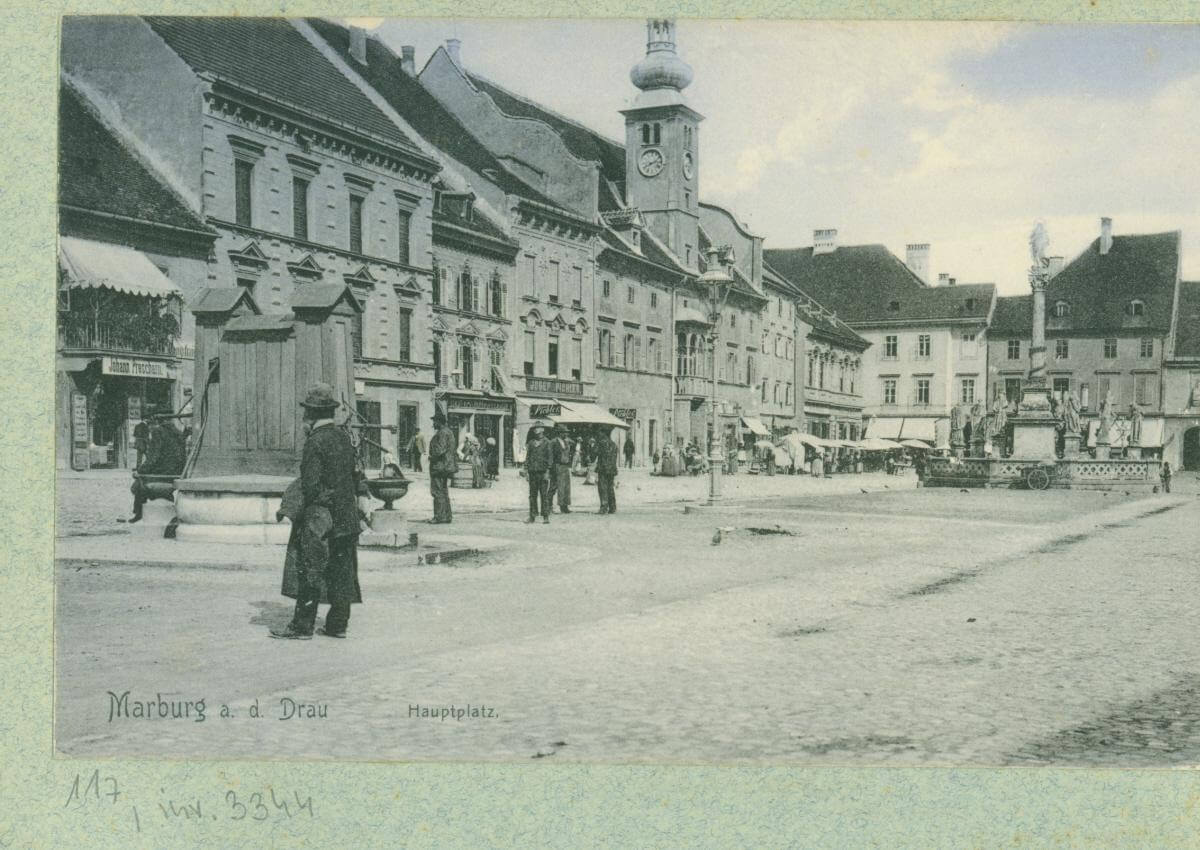
Maribor Town Hall was built in 1515, remodeled later in the century, renovated in the mid-19th, and then later returned to its original, 16th century, appearance. Above, and below, are some picture of the place in the 20th century, all public domain and sourced from Wikipedia.
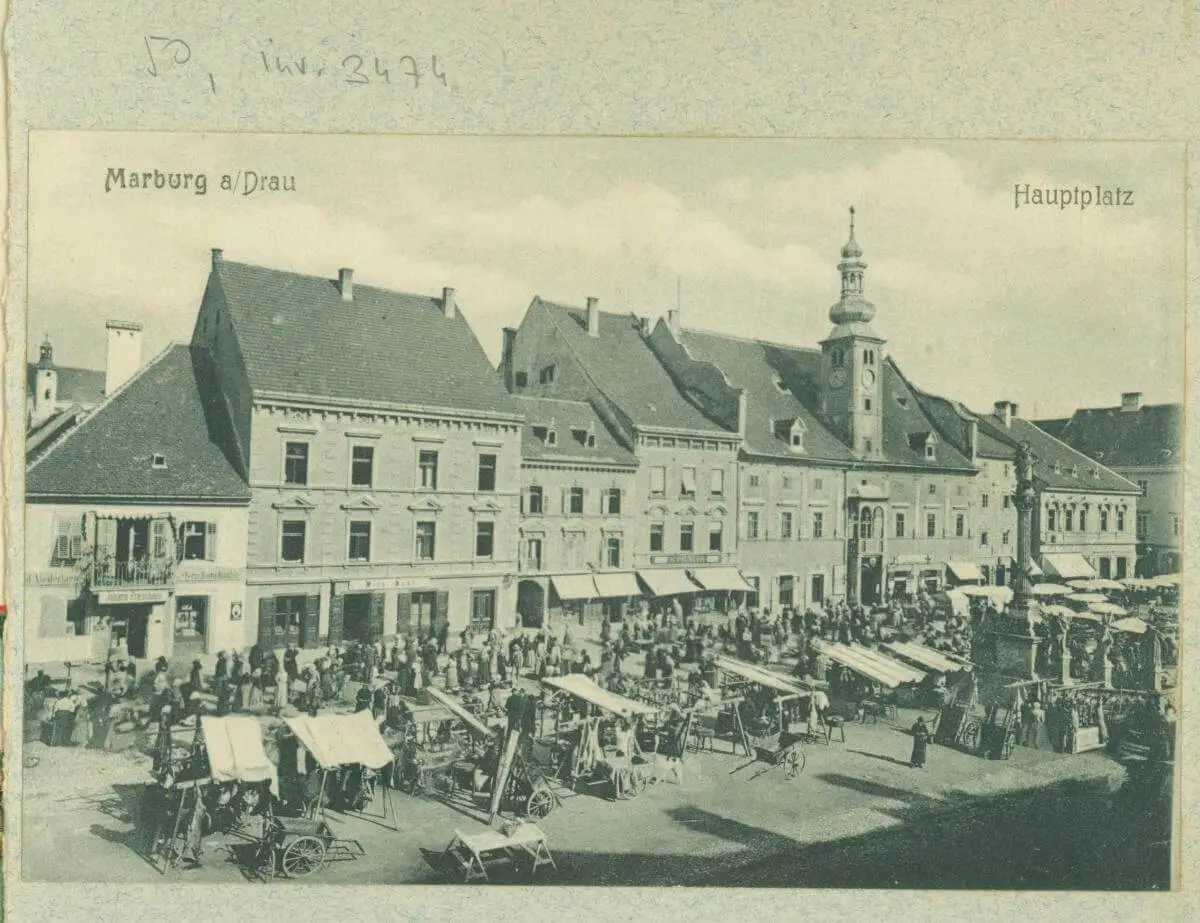
1903
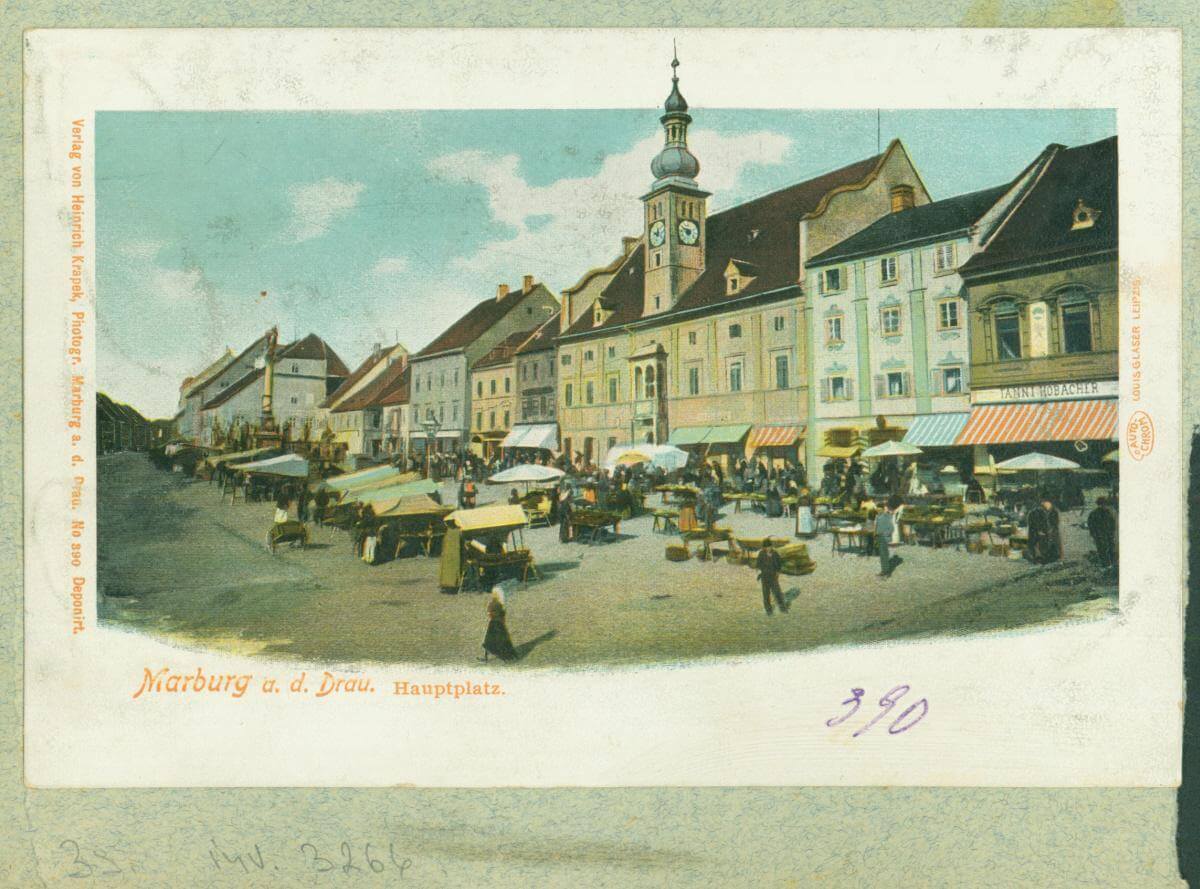
1903
1903
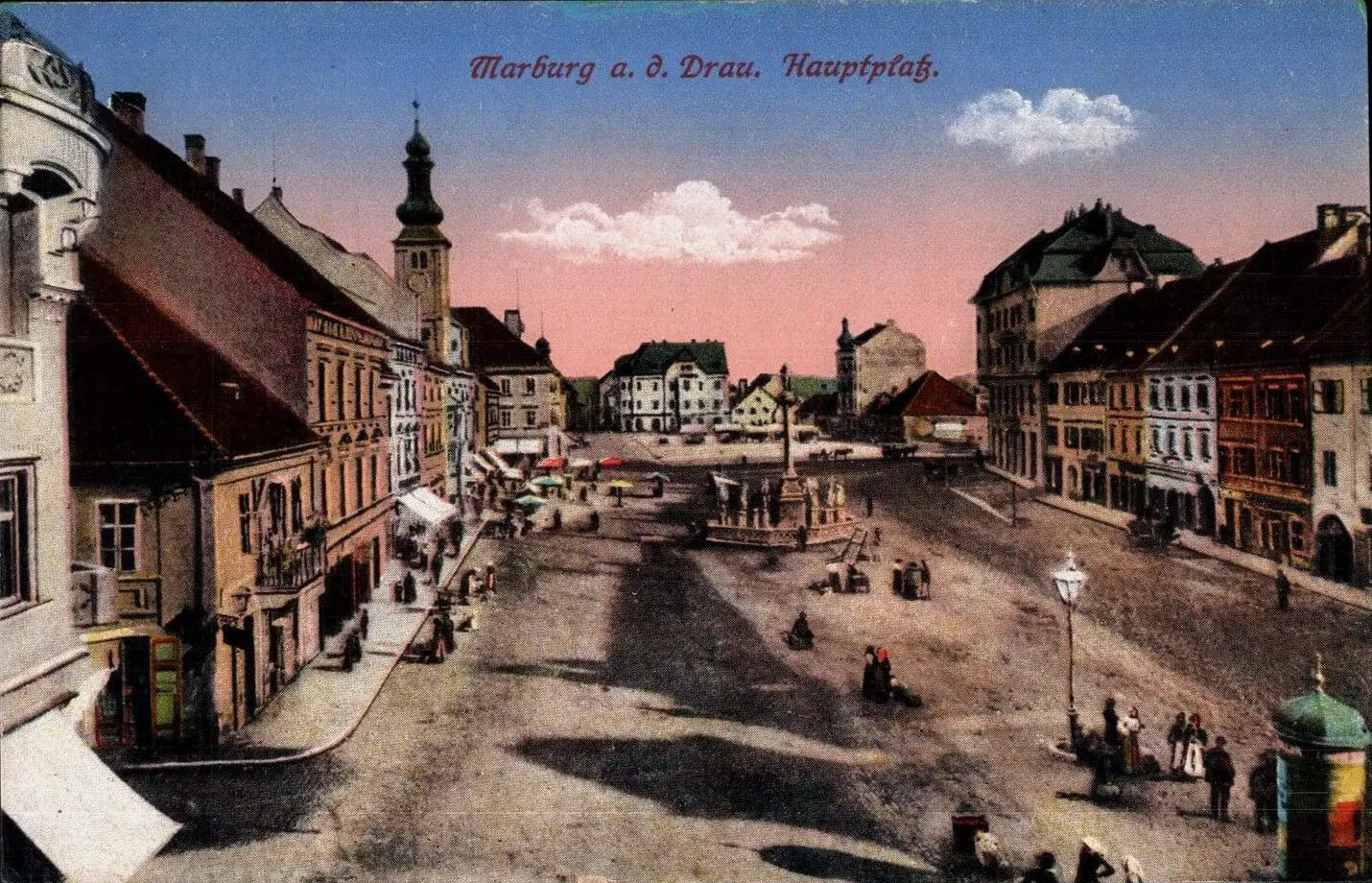
Early 20th century
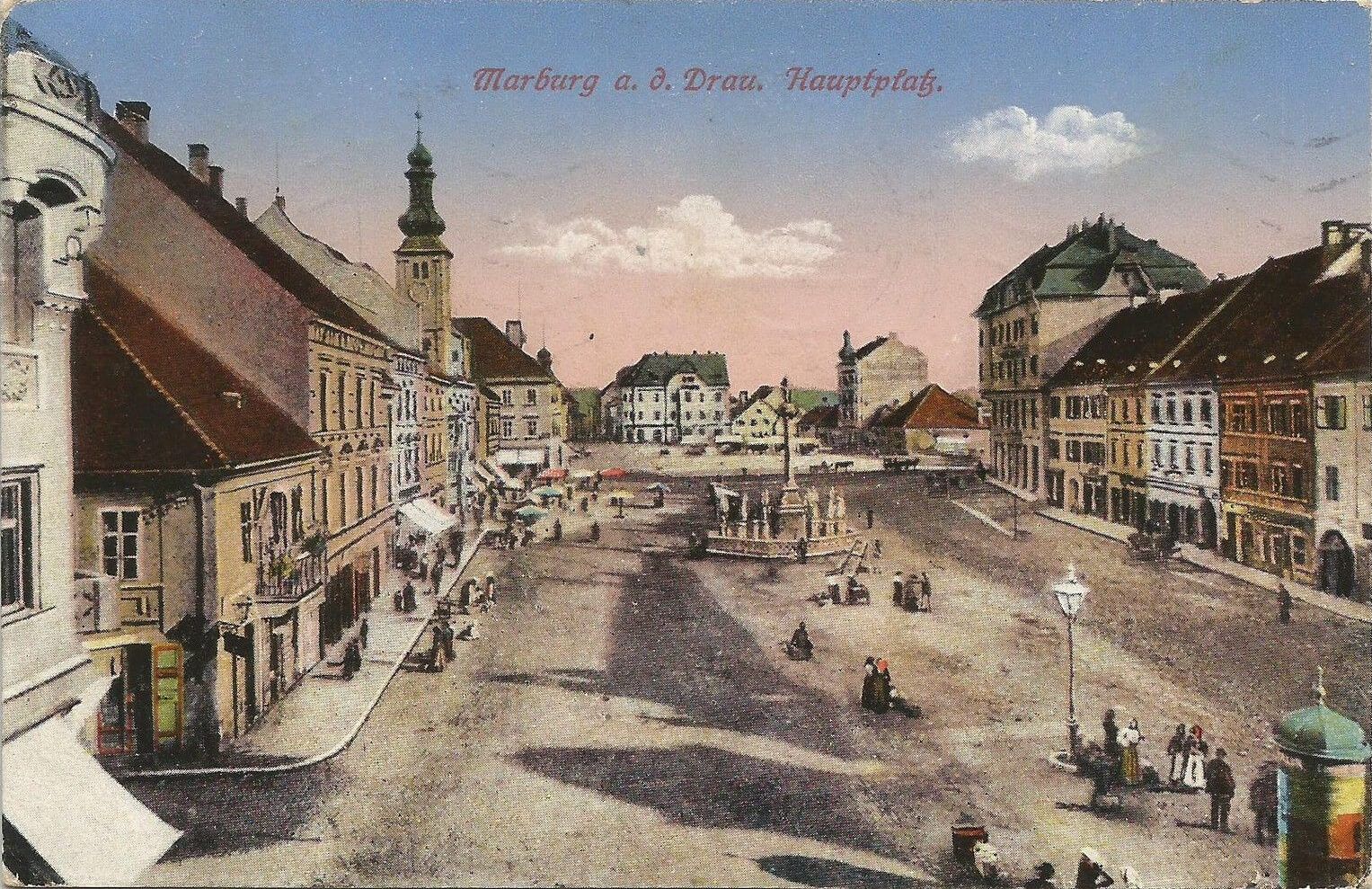
1916
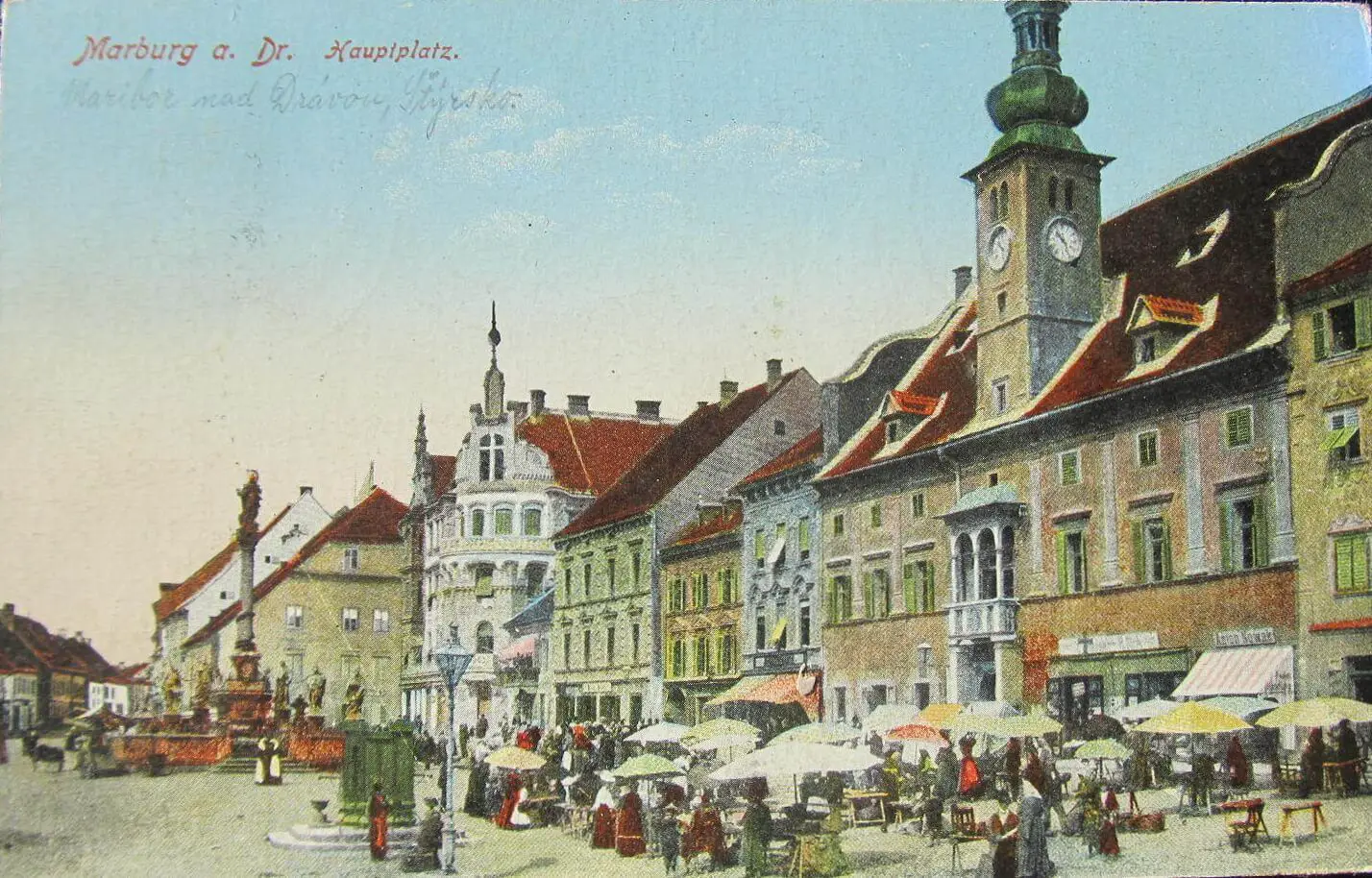
1916
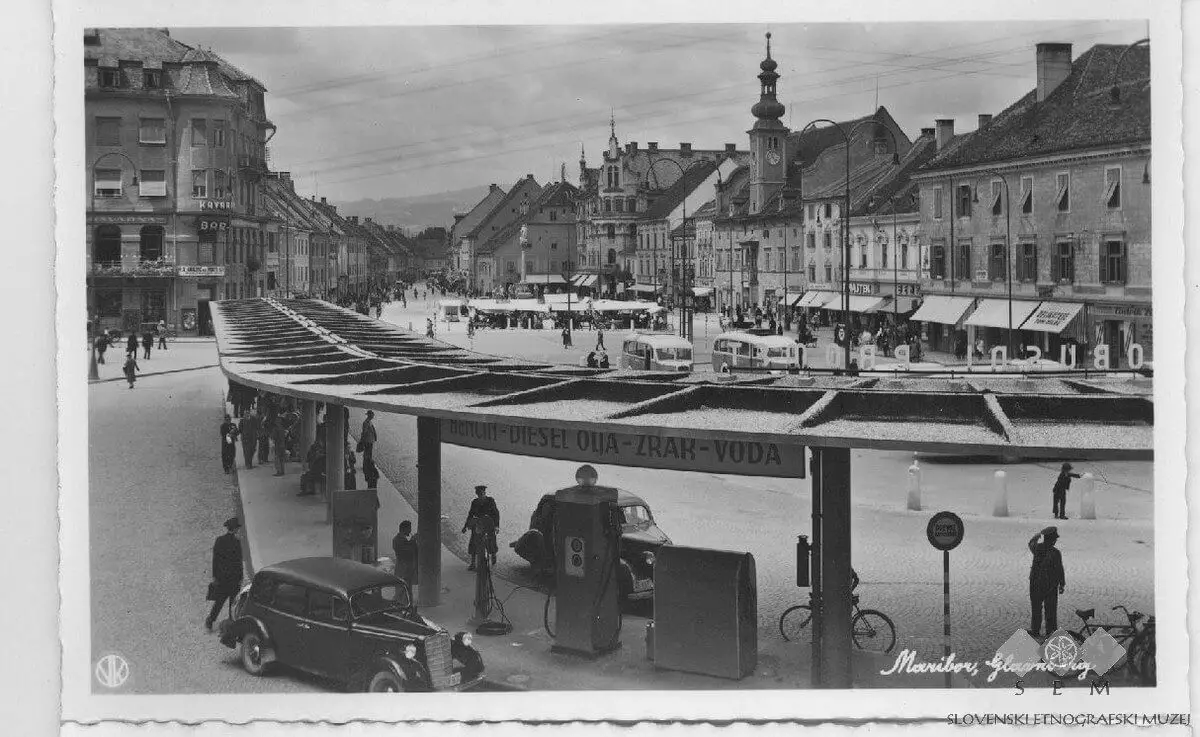
Mid-20th century
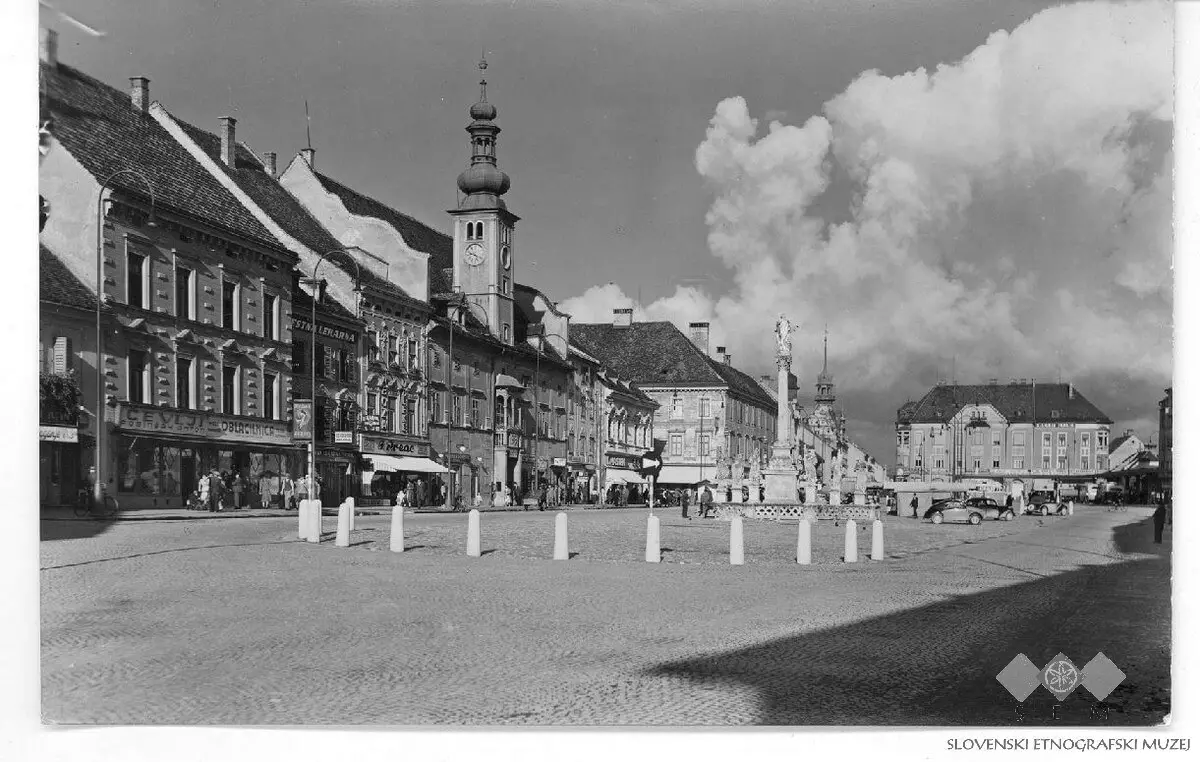
Mid-20th century
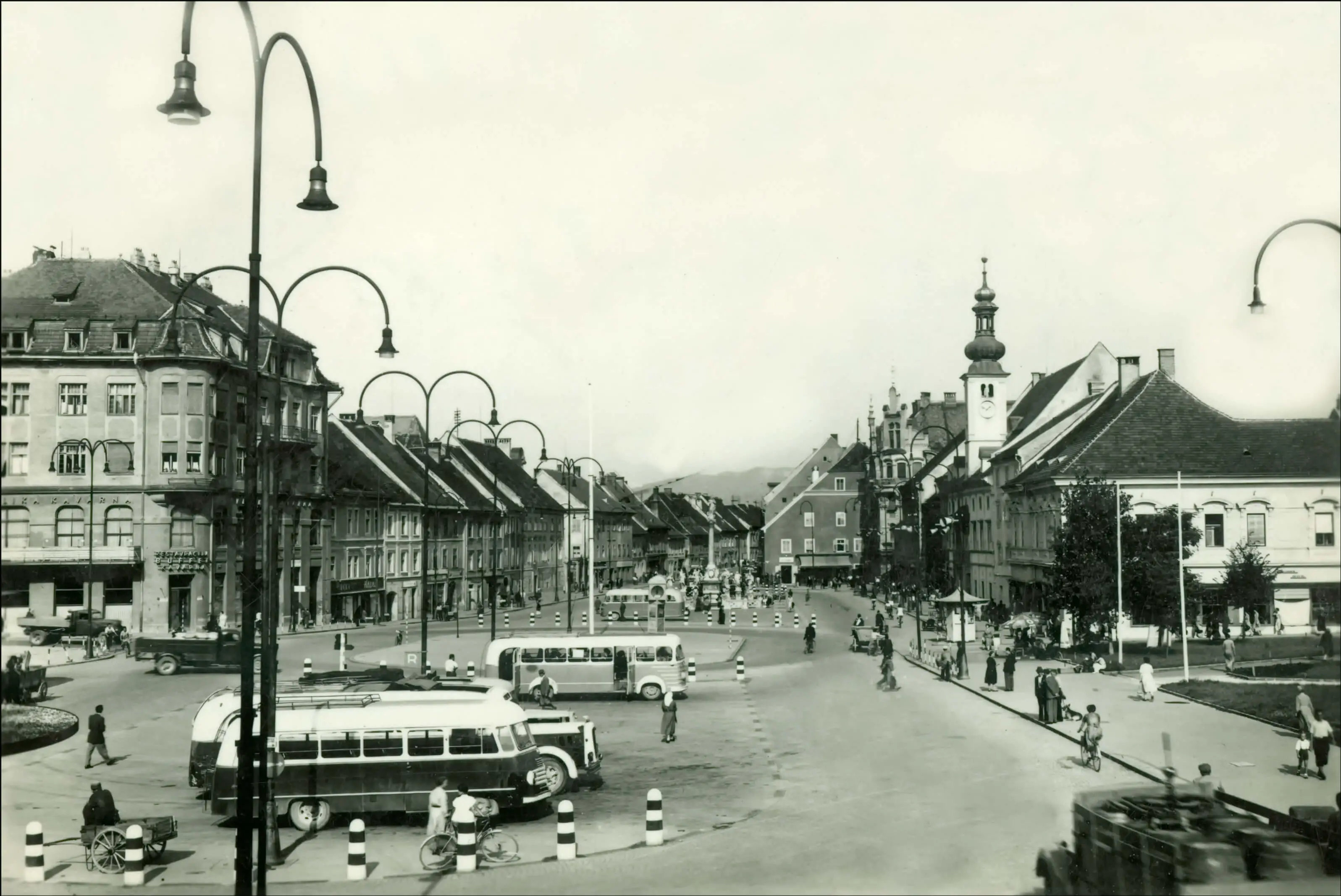
1958
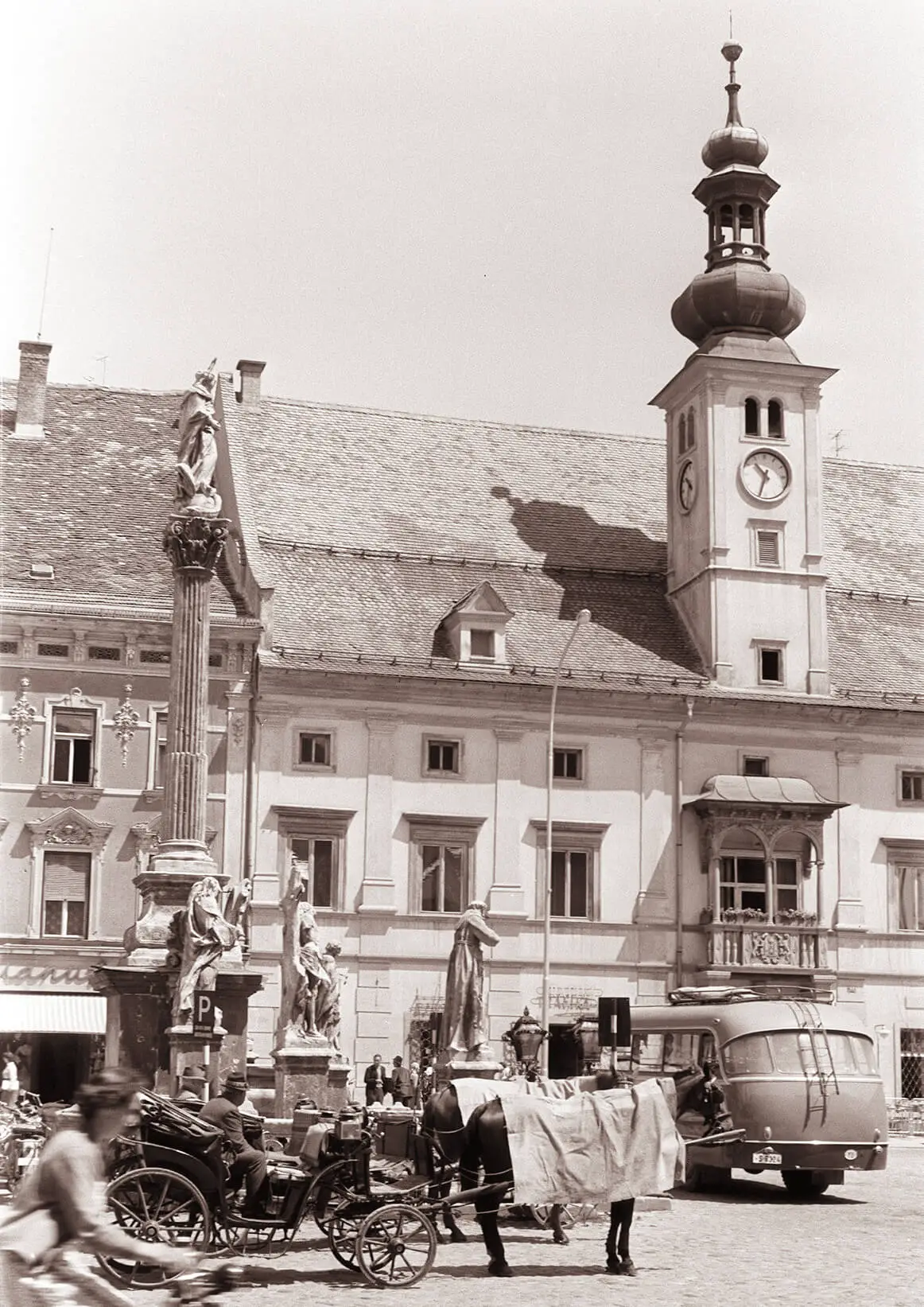
1960
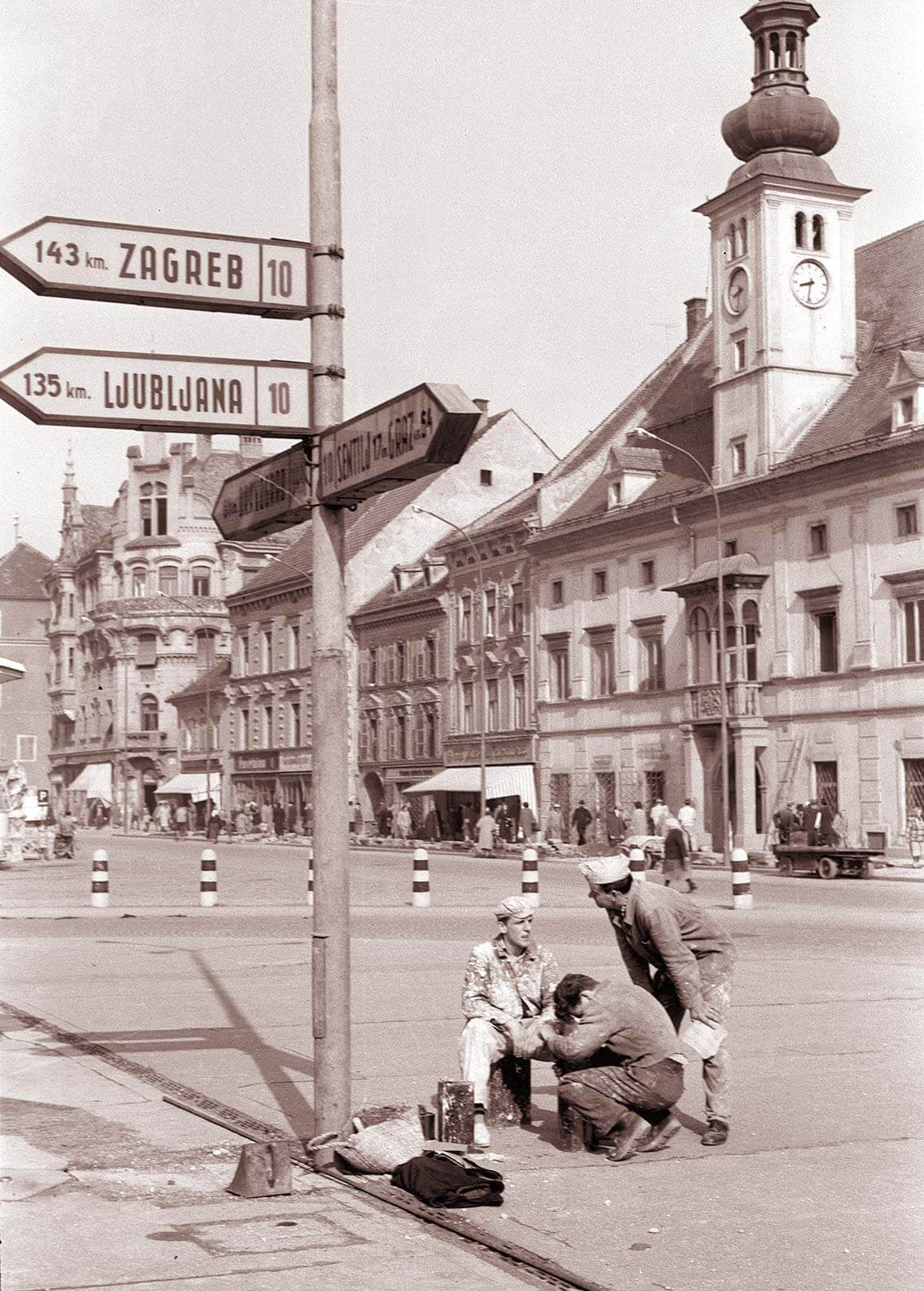
1960
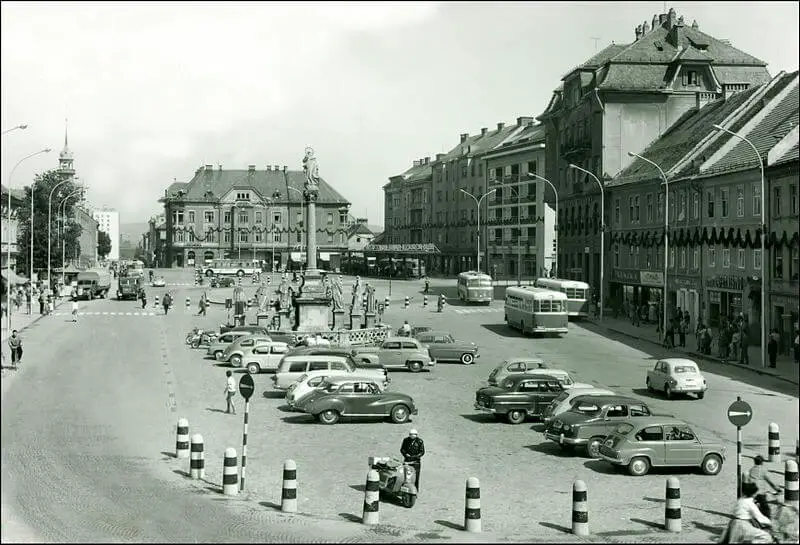
1963
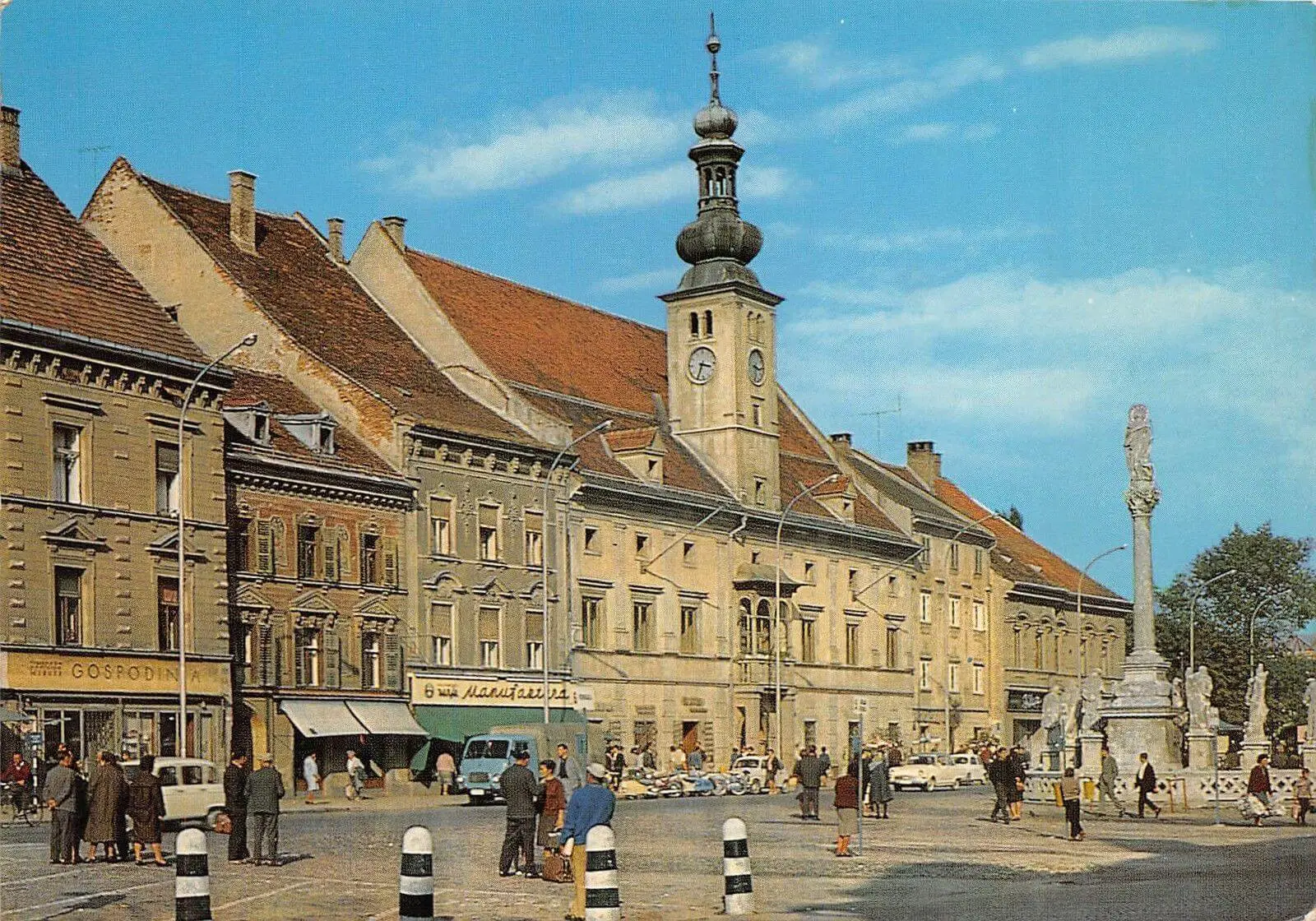
1968
Other posts in this series can be found here
December 17, 2018
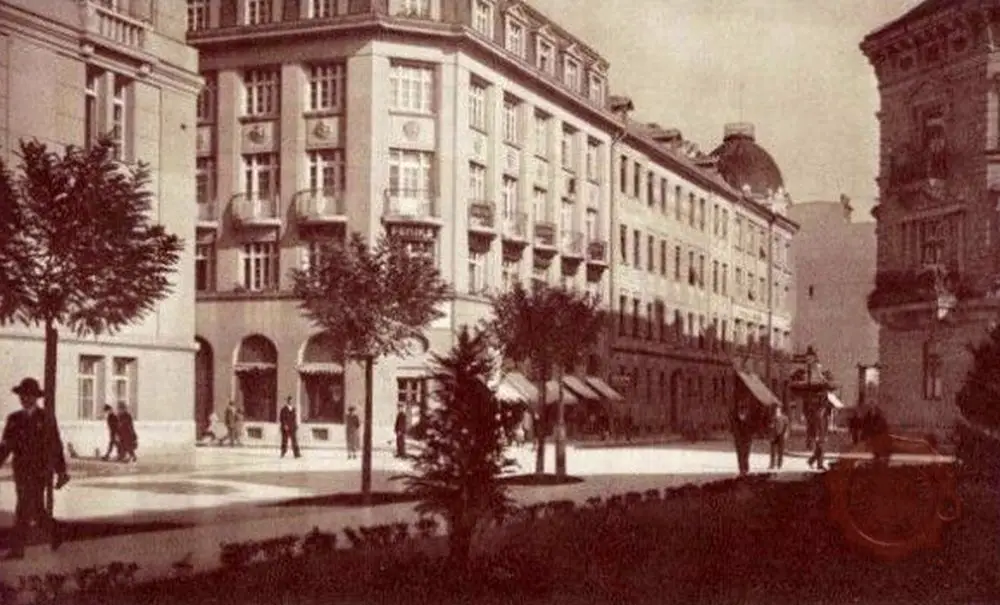
In 1931 the fourth tram line started operating between the train station and Vič in Ljubljana. Part of the route went through Šelenburgova street (today’s Slovenska), which had as a result moved Ljubljana’s main promenade to Aleksandrova street (today’s Cankarjeva), between the post office and Tivoli Park.
At the beginning of the 20th century Ljubljana’s promenade began on today's Čopova street then went past the post office on Slovenska, through Congress square (Kongresni trg) and back to the Town Square (Mestni trg). With the change of venue to Cankarjeva after the new tram line, it got an extension to Tivoli Park and even further for meetings and assignations that would prefer some privacy.
The promenade was a place to meet and debate, but also a place to show off. Hats, gloves and walking sticks were a mandatory part of a gentlemen’s outfit. It started after 4pm during the week and after 11am on Sundays, when it was especially ceremonial and classy, with a brass band playing and the best fashions of Ljubljana on display.
The promenade disappeared completely at the beginning of the 1960s, when the streets became jammed with traffic rather than walkers, and the citizens of Ljubljana begun spending their days off outside the city in the coastal towns of Piran and Portorož.
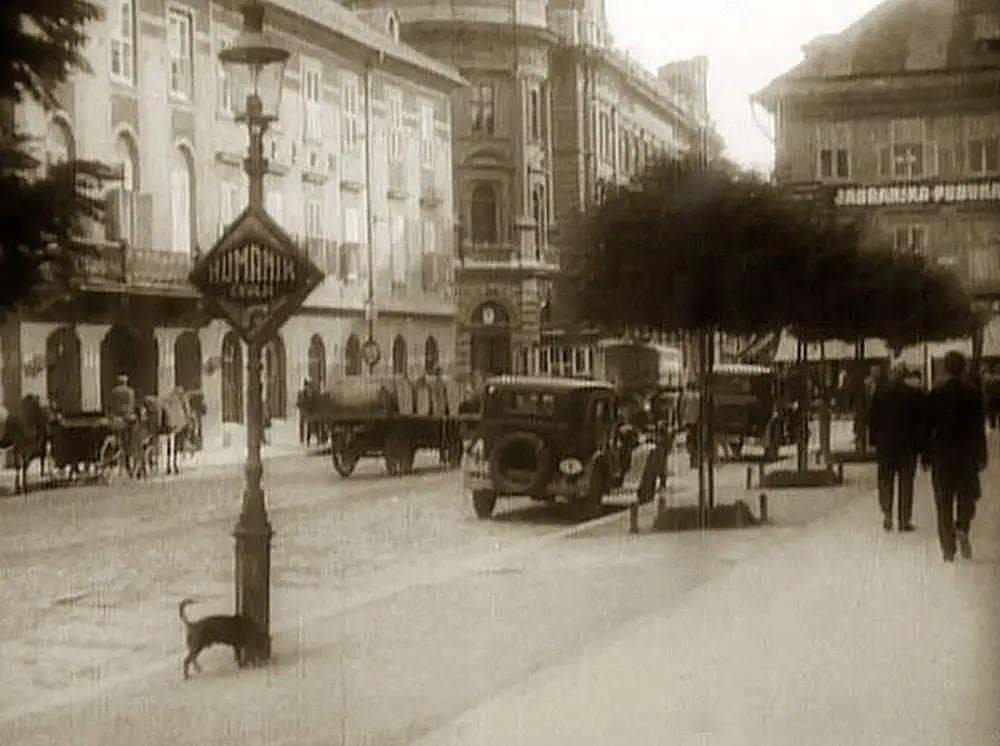
This week’s trip to the archives focused on Murska Sobota, coming back with some black and white images of the town and it’s people from the 1920s to 1960s.
As Europe continues to be hit by a heatwave’s that due to reach Slovenia this weekend, it seems like a good time to go through the archives and bring back some old photos of people cooling off in the summer.
Take a walk to the top, enjoy a cup of coffee, and be thankful.
This week’s search through the archives has come back with a set of postcards from Škofja Loka (Bischoflack in German, as seen in some examples), the first town in Carnolia to get electric lighting and home to the Cappuchin Bridge, the oldest such structure in Slovenia.